

Market Overview: The Golf Cart and Low-Speed Vehicle Segment
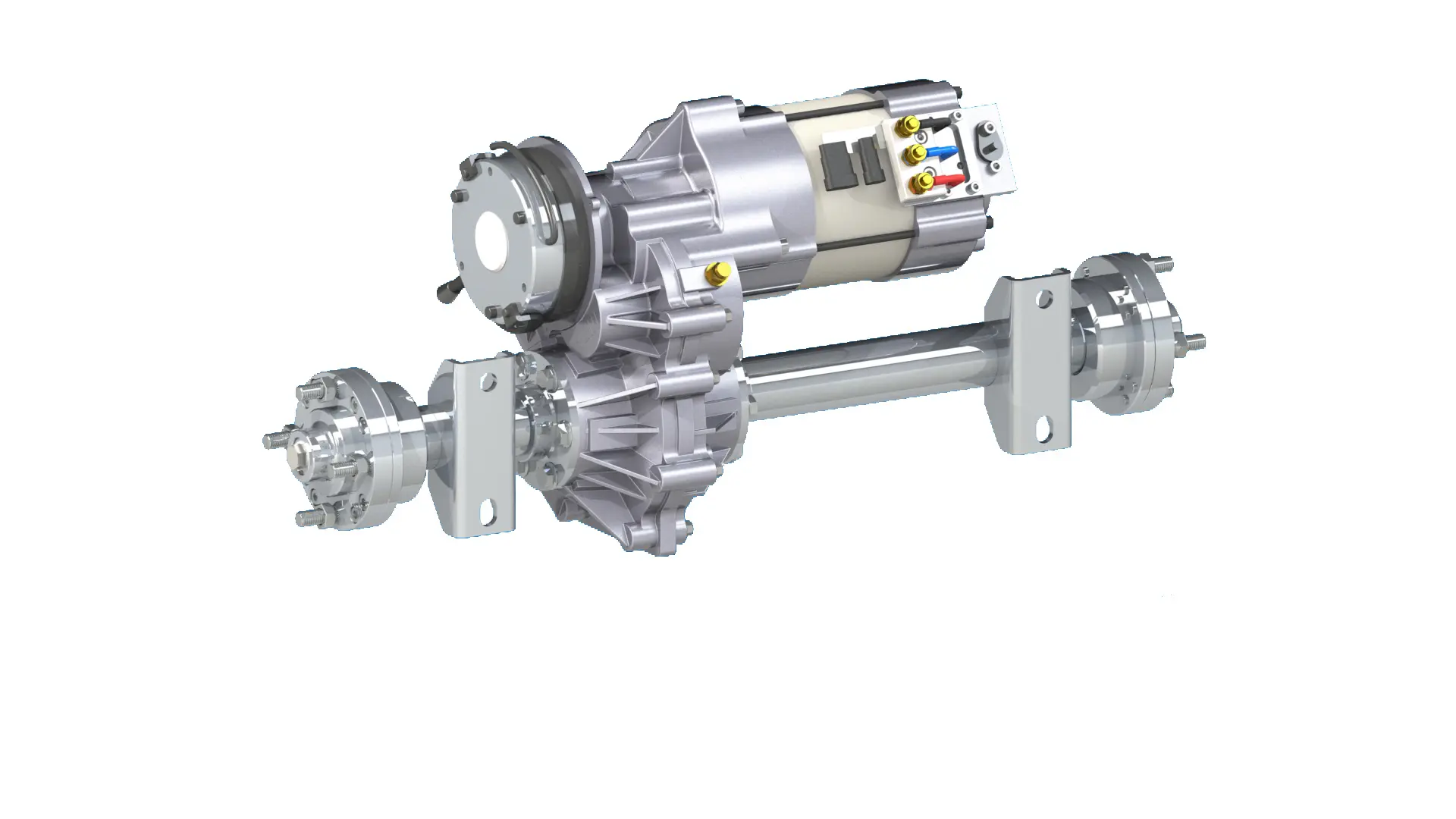
The golf cart and low-speed vehicle market has grown far beyond the fairway. Resort shuttles, university campuses, gated communities, airport aprons, theme parks and industrial parks now run fleets of small electric vehicles that share a common mechanical heart: the electric transaxle. For fleet operators and low-speed vehicle original equipment manufacturers, the transaxle is not a generic commodity part. It is the assembly that converts battery energy into usable traction, decides how quietly a vehicle glides across a course, and determines whether a loaded six-seat shuttle can climb the grade between parking lots on a humid summer morning.
Understanding the low-speed vehicle (LSV) classification is the first step in any sourcing decision, because regulation sets the ceiling on what your drivetrain is allowed to deliver. In the United States, vehicles capped at 25 mph and weighing under 3,000 pounds fall under FMVSS No. 500, which mandates lighting, braking, mirrors and safety equipment but leaves considerable freedom in motor and gearbox design. In the European Union, the L6e and L7e categories split the market by seated capacity and maximum speed, with L6e covering light quadricycles up to 45 km/h and L7e covering heavier quadricycles with a higher power allowance. A transaxle destined for an EU L7e shuttle must account for a different power ceiling and a different homologation paper trail than one built for a Florida resort cart, and a procurement team that ignores this difference will either over-specify the drivetrain or fail a type-approval audit.
From a sourcing standpoint, the segment is attractive because volumes are steady and repeatable. A resort that standardizes on a single chassis will buy the same transaxle across hundreds of units, and a university that refreshes its people-mover fleet every few years becomes a predictable recurring customer. That predictability lets a buyer negotiate on total cost of ownership rather than unit price alone, and it rewards suppliers who can support a multi-year spare-parts program instead of simply quoting a one-time batch.
Fleet Operating Conditions: Resorts, Campuses and Scenic Areas
The duty cycle of a golf cart or LSV is unlike that of a highway vehicle or a warehouse AGV, and the transaxle must be specified for where the vehicle actually lives. A coastal resort runs carts from dawn to past midnight in heat, humidity and salt air, with constant short trips between the clubhouse, the beach and the villas. A university runs shuttles on a tight loop between dormitories, lecture halls and the transit stop, stopping every few hundred meters and restarting dozens of times per shift. A scenic-area fleet climbs gentle grades all day carrying visitors and luggage, then sits idle overnight in a maintenance barn.
What unites these conditions is high-frequency start-stop and year-round operation. Unlike a long-haul EV that cruises at steady speed, an LSV spends most of its life accelerating from a standstill, which loads the transaxle gears and bearings with repeated torque spikes. The gear set and the lubrication must tolerate this cyclic stress without premature wear, and the motor-transaxle thermal path must shed heat during continuous short trips rather than during one long pull. A drivetrain tuned for highway cruising will run hot and noisy in a stop-start resort loop even if its peak numbers look impressive on a datasheet.
Operators should also weigh environmental exposure. Carts are washed down regularly, parked in the rain, and driven through puddles on cart paths, so ingress protection matters more than it would for an indoor machine. Dust on unpaved resort roads and sand near the coast both accelerate seal wear, so the sealing specification should reflect the actual wash and weather routine rather than a generic indoor rating. These are the operating realities a good supplier discusses before quoting, not after a failure appears in the field.
Load and Gradient: Sizing for Two-, Four- and Six-Seat Climbing Needs
Climbing ability is the specification that most often separates a satisfied fleet operator from one stuck halfway up a hill, and it must be matched to the seating configuration rather than guessed. A two-seat maintenance cart carrying one operator and a tool bag presents a modest load, and most standard transaxles handle its grade requirements comfortably. A four-seat guest shuttle with two adults and baggage roughly doubles the axle load and the torque demand at the wheels. A six-seat people-mover loaded with passengers, golf bags and cooling units is the real test, because the combination of mass and a modest grade can push a marginal drivetrain into thermal or mechanical distress.
The practical approach is to grade the requirement by vehicle class rather than to test each unit in isolation. Define the worst-case loaded mass for each seating tier, decide the maximum ramp or bridge grade the vehicle must climb from a standstill, and select a transaxle whose continuous torque at the wheel exceeds that demand with margin. This is a selection problem, not a laboratory measurement exercise: the goal is to place each chassis in the correct drivetrain tier so that the six-seat unit is never fitted with the transaxle sized for the two-seat unit. A fleet that mixes classes should therefore keep at least two, sometimes three, transaxle specifications in its bill of materials.
Gradeability also interacts with passenger comfort and safety. A shuttle that crawls up a grade at the edge of its torque limit will strain, overheat and frustrate riders, while one with headroom accelerates smoothly and leaves reserve for a headwind or a heavier-than-average load. Specifying for the loaded worst case, rather than the empty nameplate, is the discipline that keeps a fleet moving through a busy day without roadside recovery calls.
Voltage Platform: Matching 48V and 72V Systems to the Transaxle
Most golf carts and LSVs run on 48V and 72V battery platforms, and the choice between them drives the transaxle design more than buyers often expect. A 48V system is the long-standing default for club cars and light shuttles: it keeps components affordable, draws higher current for a given power, and pairs naturally with mature motor and controller ecosystems. A 72V system delivers the same power at lower current, runs cooler in the wiring and controller, and supports stronger acceleration and better hill performance for heavier six-seat or cargo variants.
The transaxle itself is largely voltage-agnostic at the gear level, but the motor it houses and the controller that feeds it are not. A motor wound and rated for 48V will not perform to spec on a 72V bus without a matched controller and thermal design, and forcing a mismatch risks insulation failure or controller trips. The correct sourcing practice is to treat the motor, transaxle and controller as one integrated drive package qualified together at the intended pack voltage, then to confirm the transaxle housing, bearings and seals are rated for the resulting shaft speed and torque.
For a mixed fleet, standardizing on a single voltage where possible simplifies procurement, spares and charging. Where heavier vehicles genuinely need 72V, the operator should expect a clearly separate motor-transaxle part number and a separate spare-parts line, because interchangeability between 48V and 72V drive units is the exception rather than the rule. Documenting the voltage on the specification sheet prevents the costly mistake of installing a 48V-rated assembly into a 72V vehicle during a field repair.
Differential Types: Open Differentials, Locking Differentials and Turf Protection
The differential inside the transaxle decides how a golf cart behaves when one wheel loses grip or when it turns across delicate ground, and the choice matters more in this segment than in many others. An open differential is the default for smooth paved resort promenades and campus loops, where both wheels usually keep contact and the priority is low cost and quiet operation. It splits torque evenly and lets the vehicle turn cleanly without scrubbing the tires.
A differential lock becomes valuable on uneven terrain, wet grass or loose gravel, where one wheel can lift or slip and rob the vehicle of drive. Locking the differential forces both wheels to turn together so the cart keeps moving, which is why utility and maintenance variants on hilly or unpaved sites often specify it. The trade-off is that a locked diff should not be used on hard paved surfaces at speed, because it resists the natural wheel-speed difference in a turn and can scrub tires or stress the drivetrain.
For golf courses and manicured lawns, many operators prefer a turf protection mode, a controlled differential behavior or traction strategy that minimizes wheel slip and the resulting divots and scuff marks on greens and fairways. This is less about raw traction and more about protecting the surface the vehicle operates on, and it is a real selection criterion for course superintendents rather than a marketing line. A buyer serving both paved resorts and grass courses should therefore decide which differential behavior each sub-fleet needs, because fitting every cart with a locking diff can damage the very turf the operator is paid to protect.
Suspension and Axle Integration: Solid Axle Versus Independent Interfaces
How the transaxle mounts to the chassis shapes ride quality, maintenance access and overall vehicle cost, so the integration interface belongs in the sourcing discussion early. A solid or beam axle packages the transaxle, brakes and hubs into one rigid unit suspended by leaf or coil springs. It is simple, robust and cheap to service, which is why it dominates entry-level carts and utility vehicles that prioritize durability over refinement. The downside is a harsher ride and less articulate suspension travel when one wheel meets a bump.
An independent suspension interface connects the transaxle to the vehicle through control arms and half-shafts, allowing each wheel to move on its own for a smoother ride and better grip on uneven ground. This is common on premium shuttles and LSVs where passenger comfort is a selling point. The cost is greater complexity, more joints to wear, and a transaxle that must present the correct output geometry for the chosen suspension. The transaxle supplier should confirm the output shaft orientation, mounting points and brake interface match the target chassis, because a mismatch here means custom fabrication rather than a bolt-in installation.
For a fleet operator, the integration decision also affects the spare-parts catalog. A solid-axle fleet standardizes on one hub and brake style, while an independent-suspension fleet adds half-shafts and joints to the bill of materials. Neither is wrong; the error is choosing on showroom feel alone and discovering later that the more complex interface doubles the recurring parts list. Aligning the axle type with the maintenance team’s capability is as important as matching it to the ride target.
Procurement Specification Sheet Essentials for LSV Transaxles
A usable specification sheet for a golf cart or LSV transaxle goes well beyond a voltage number and a price. The first values a buyer should fix are the continuous and peak torque ratings, stated at the wheel and tied to a defined duty cycle, because these determine whether the unit will survive a loaded grade on a hot day. Peak torque covers acceleration and hill starts; continuous torque covers sustained climbing and repeated stop-start, and it is the figure most correlated with field reliability.
Noise is a genuine specification for this segment, not a nice-to-have. Resorts and golf courses sell tranquility, and a cart that whines across a fairway or buzzes through a quiet campus courtyard undermines the experience. The spec should set a maximum sound level at the typical operating speed and ask the supplier how it is achieved, through gear finishing, lash control and motor tuning. Water and dust protection belongs in the sheet as well, because carts are washed, rained on and driven through puddles; the rating should reflect the wash and weather routine rather than a nominal indoor figure. Brake integration, output speed, mounting pattern and the recommended lubrication interval round out the core list.
A disciplined sheet also records the test conditions behind every number. A torque figure measured at one voltage and one temperature is not the same as the same figure at your actual pack voltage and in summer heat, and a noise level taken on a bench is not the level a passenger hears. Buyers who capture the conditions alongside the values can compare suppliers fairly and can re-verify the same way on incoming inspection.
Tip: Always request a transaxle torque-speed curve measured at your actual pack voltage rather than a nominal label rating, because LSV duty cycles spend most of their life in the low-speed, high-torque band where heat and efficiency matter most.
Supplier Evaluation: Automotive-Grade Versus Field-Vehicle-Grade Quality Systems
Not every transaxle supplier serves the same market, and the quality system behind the product often predicts field performance better than a glossy datasheet. Automotive-grade suppliers work to rigorous process controls, traceability and validation discipline borrowed from passenger-car programs, which suits LSV OEMs building type-approved vehicles for regulated markets. They document material certificates, manage change control so a revision never surprises the customer, and run validated life and environmental testing before release.
Field-vehicle-grade suppliers serve utility carts, grounds equipment and aftermarket channels where cost and availability dominate and the regulatory burden is lighter. Their products can be perfectly adequate for a resort’s internal shuttles, but the buyer should expect less formal documentation and should perform more incoming verification. The risk is assuming one equals the other: a cost-driven field-grade unit placed into a regulated L7e program can fail homologation, while an automotive-grade unit specified for a simple maintenance cart may be overpriced for the duty.
The right evaluation weighs evidence. Ask for the supplier’s quality certifications, their traceability practice, their warranty terms and their field failure history for comparable fleets. Request references from operators running similar duty cycles, and confirm the supplier stocks or can rebuild the exact part number years after purchase. A procurement team that matches the supplier’s quality tier to the vehicle’s regulatory and duty requirement avoids both compliance gaps and wasted spend.
After-Sales and the Remanufactured Parts Market
A golf cart or LSV fleet is a long-lived asset, and the transaxle strategy should plan for the middle and late life of the vehicle, not only the first purchase. Resort and campus fleets typically run a defined overhaul cycle, often every few years or after a set operating-hour threshold, at which point bearings, seals and sometimes gear sets are renewed. Operators who plan this cycle up front can negotiate a spare-parts program that keeps vehicles in service instead of sitting in a barn waiting for a shipment.
The remanufactured transaxle units market serves exactly this need. A remanufactured assembly, rebuilt to spec with renewed bearings, seals and tested gears, can return a cart to service at a fraction of the cost of a new unit, provided the supplier maintains interchangeability and supplies a tested, warranted product. For budget-conscious operators managing hundreds of carts, a mix of new units for expansion and remanufactured cores for overhaul is a sound total-cost strategy. The caveat is traceability: a remanufactured unit should carry the same part number and test record as a new one, or the maintenance team cannot trust it.
Operators should also decide who performs the rebuild. Some standardize on returning cores to the original supplier for a controlled remanufacturing process, while others build an in-house or local repair capability for faster turnaround. Either path requires the supplier to release tolerances, seal specs and bearing numbers, so the ability to support remanufacturing should be a selection criterion from the start rather than a scramble after the warranty expires.
Case Scenario: Specifying Transaxles for a 300-Unit Resort Fleet
Consider a coastal resort operating 300 vehicles across three classes: 120 two-seat maintenance carts, 130 four-seat guest shuttles and 50 six-seat people-movers, all running year-round in heat and salt air with daily wash-downs. The procurement team begins by grading the requirement by class rather than treating the fleet as one. The two-seat carts receive a standard 48V transaxle with an open differential, sized for light loads and flat paths. The four-seat shuttles receive a 48V transaxle with a stronger continuous torque rating and an optional turf-friendly differential behavior for the grass routes between villas. The six-seat people-movers, which climb a 12 percent service ramp when fully loaded, receive a 72V transaxle package with a differential lock for the unpaved service road and the headroom to start smoothly on the grade.
The specification sheet captures, for each class, the wheel torque at the loaded worst case, a maximum sound level suitable for a quiet resort, and an ingress rating matched to the wash routine. The supplier is qualified on field-vehicle-grade cost for the carts and shuttles but is asked for automotive-grade documentation on the 72V people-mover drive, because that class carries the most passengers and the steepest duty. A spare-parts package is negotiated alongside the order: a rolling stock of bearings, seals, brakes and a small number of complete remanufactured transaxle units for fast swap during the planned overhaul cycle.
The result is a fleet with three clear transaxle tiers, a documented spare-parts plan, and a remanufacturing path that keeps older vehicles earning revenue instead of becoming scrap. When the resort later expands by another 60 shuttles, the buyer reorders the same qualified part numbers, and the maintenance team already stocks the correct spares. This is the payoff of specifying by class and planning the aftermarket before the first vehicle is delivered.
FAQ
What speed and power limits apply to golf carts and LSVs?
In the United States, FMVSS No. 500 governs low-speed vehicles capped at 25 mph and under 3,000 pounds, setting equipment and safety requirements while leaving drivetrain design flexible. In the European Union, L6e and L7e quadricycle categories set speed and power ceilings that differ by seated capacity, with L7e allowing more power for heavier vehicles. A transaxle must be specified within these regulatory ceilings, and the chosen class determines the homologation documents the OEM must hold.
Should a resort choose 48V or 72V transaxles?
A 48V system remains the sensible default for light two- and four-seat carts on flat paths, balancing cost and a mature component ecosystem. A 72V system suits heavier six-seat people-movers and vehicles that climb grades or carry cargo, because it delivers the same power at lower current with better thermal behavior. Many fleets standardize on 48V for most units and reserve 72V for the heaviest class, keeping two clear part numbers and spare-parts lines.
Do I need a differential lock on every golf cart?
No. An open differential is correct for smooth paved resort promenades and campus loops where both wheels keep contact and quiet operation matters. A differential lock helps utility and maintenance variants on wet grass, gravel or uneven ground where one wheel slips. For manicured courses, a turf protection mode that minimizes wheel slip protects the surface better than a locked diff, so the choice should follow the actual terrain each sub-fleet operates on.
How should noise be specified for a quiet resort or course?
Noise is a real specification for this segment rather than a comfort extra. Set a maximum sound level at the typical operating speed and ask the supplier how it is achieved through gear finishing, lash control and motor tuning. Request that the figure be measured under conditions close to real operation, because a bench reading can understate what a passenger hears across a fairway or a quiet courtyard.
What spare-parts package should a fleet operator plan for?
Plan for the vehicle’s overhaul cycle from the start. A practical package includes bearings, seals, brake components and a small stock of complete remanufactured transaxle units for fast swap during scheduled service. Negotiate the spare-parts program alongside the original order, confirm the supplier can supply the exact part numbers years later, and document the remanufacturing path so older vehicles stay in service instead of being retired early.
Related Pages
- Electric Transaxle Technical Specifications Guide
- What Voltage Electric Transaxle Should You Choose
- Electric Transaxle vs Gearbox
- How to Match Electric Transaxle with Motor
Post time: Sep-30-2026