How to Match Electric Transaxle with Motor: A Complete Buyer’s Guide for Optimal System Performance
Meta Description: Learn proven steps to pair electric transaxle and DC/AC motor by torque, voltage, reduction ratio and application scenarios; avoid costly matching mistakes for industrial trolley, cleaning equipment and three-wheel mobility vehicles.
Published Date: Updated for global equipment procurement | Reading Time: 12 min
Introduction
Proper pairing between
electric transaxle and drive motor directly defines equipment runtime, energy consumption, load capacity and long-term operational lifespan, a core decision point for equipment designers, procurement managers and machinery OEM buyers worldwide. Many global purchasers face recurring troubles: excessive motor heat, weak climbing power, premature transaxle gear wear or unnecessary cost waste due to mismatched component parameters. This comprehensive guide breaks down standardized matching logic, core parameter checks, industry-specific matching rules and common pitfalls, structured to align with the practical procurement workflow of global industrial buyers across cleaning machinery, electric trolleys, mobility trikes and small agricultural tractors.
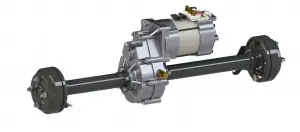
Electric transaxle integrates reduction gearbox, differential and drive axle into one compact assembly, functioning to lower motor output speed and amplify driving torque; while the motor supplies raw rotational power to the entire drive system. Their parameter synergy determines whether the finished machine hits rated design targets. Without systematic matching, even top-tier individual parts fail to deliver expected working performance. This guide excludes brand-centric promotion and focuses purely on technical selection criteria to help buyers streamline component sourcing and cut post-purchase maintenance expenses.
1. Pre-Matching: Confirm Core Application & Working Condition Requirements
Before checking any component specifications, define end-use operating parameters—the foundational benchmark of all matching work, a mandatory first step recommended by global mechanical procurement engineers. Collect these five core project details from your equipment design sheet:
1.1 Load & Terrain Specifications
- Rated full load weight of finished equipment (empty weight + maximum cargo/passenger load)
- Typical working terrain: flat concrete ground, bumpy outdoor pavement or regular gradient slopes (record maximum climbing gradient percentage)
- Duty cycle: continuous 8-hour daily operation or intermittent short-burst frequent start-stop use
Flat-ground cleaning carts and warehouse trolleys prioritize steady continuous load output; mobility three-wheelers and small electric tractors require robust peak torque for periodic slope climbing and sudden acceleration. Different load environments directly shift torque reserve requirements for transaxle-motor sets.
1.2 Target Wheel Speed & Travel Speed
Note designed maximum travel speed of finished equipment and wheel outer diameter, which helps calculate final required output rotating speed at transaxle axle end, the core index to lock transaxle reduction ratio range.
1.3 Working Voltage Environment
Confirm battery system rated voltage: mainstream options cover 24V, 36V, 48V DC widely applied on compact mobile equipment, critical to align with motor rated voltage to prevent underpower or overvoltage burnout. Voltage mismatch ranks among top 3 most frequent buyer matching errors globally.
2. Core Parameter Matching Standards (Step-by-Step Technical Breakdown)
This section covers four non-negotiable matching dimensions, organized for easy cross-check during component procurement quotation review, optimized for Google SEO long-tail keyword capture including “DC motor transaxle voltage matching”, “reduction ratio calculation for electric drive axle”.
2.1 Voltage Consistency Matching (Non-negotiable Basic Rule)
Motor rated working voltage must fully match the input voltage marked on transaxle’s matched motor assembly interface.
- 24V DC motors can only pair with transaxles designed for 24V power input, commonly used for 300W~1500W cleaning machine, small shopping trolley drive systems;
- Higher-power 2200W+ tractor transaxles mostly adopt 48V rated motor configuration to reduce working current and cut circuit heat loss.
Deviation over ±5V leads to two outcomes: lower voltage causes insufficient motor output torque and slow equipment startup; excessive voltage accelerates coil insulation aging and early motor breakdown, triggering unexpected after-sales replacement costs for bulk procurement orders.
2.2 Power & Torque Synergy Matching (Most Critical Matching Link)
Two core metrics: motor rated/peak power, transaxle allowable input torque and maximum output axle torque, with a universal procurement calculation rule:
Transaxle maximum allowable input torque ≥ motor peak output torque × 1.2 safety coefficient (standard industry safety margin for global mechanical design)
Practical Application Classification:
- Low-power intermittent equipment (300W~800W: car wash cleaning trolley, baby stroller drive)
Short runtime, frequent start-stop, flat ground operation: select transaxle with continuous input torque 1.1~1.3 times motor rated torque; 24V 400W/500W DC motor is mainstream matching combination for cleaning machinery transaxle.
- Medium-power continuous-use machinery (1000W~2200W: warehouse electric trolley, mobility three-wheel trike)
All-day continuous load, occasional small-gradient climbing: reserve 1.3~1.5 torque safety margin, avoid undersized transaxle leading to internal gear tooth collapse under overload; 24V 1000W/1500W motor-transaxle sets dominate this specification range in global spare parts procurement.
- High-load agricultural tractor (≥2200W)
Regular heavy cargo + steep slope driving: safety coefficient raised to 1.5~2.0, transaxle must withstand sustained peak torque output during low-speed climbing, prioritize heavy-duty cast-iron gear housing transaxle design.
2.3 Reduction Ratio Matching to Align Rotational Speed
Transaxle core function uses fixed reduction ratio to convert high-speed low-torque motor output into low-speed high-torque wheel drive power. Reduction ratio selection is derived from target wheel speed and motor rated no-load speed:
- Calculate required transaxle output axle RPM via equipment design travel speed and tire diameter;
- Divide motor rated speed by target axle RPM to get theoretical reduction ratio, pick the closest standardized transaxle gear ratio from supplier catalog.
Real-world example: 24V 1500W DC motor rated speed 3200RPM, finished trolley target wheel speed 220RPM → theoretical ratio≈14.5:1, select standard 15:1 reduction transaxle as final matching option.
- High-speed compact carts need smaller reduction ratio (5:1~12:1); heavy-load low-speed tractors adopt larger ratio (15:1~30:1) for torque amplification.
2.4 Mechanical Mount Dimension Matching
Ignore parameter matching but misalign mounting size leads to impossible physical assembly: verify three mechanical dimensions before bulk order confirmation:
- Motor output shaft diameter matches transaxle input bore size;
- Flange mounting hole spacing between motor and transaxle input end is fully consistent;
- Overall assembly outline fits equipment pre-reserved installation space inside chassis.
Custom flange modification adds extra processing fees and prolonged delivery lead time, a frequent hidden cost for bulk international procurement orders.
3. Industry-Specific Ready-to-Use Matching Reference Table for Global Buyers
Summarized mainstream mature matching combinations collected from global equipment OEM procurement data, covering four core application fields mentioned in transaxle product catalogs, convenient for quick preliminary specification screening during supplier negotiation:
| End Application |
Standard Motor Spec |
Matched Transaxle Feature |
Typical Working Scenario |
| Car washing/industrial cleaning machine |
24V 400W~800W DC |
Small reduction ratio (8~12:1), lightweight aluminum housing |
Floor scrubber, mobile car wash trolley |
| Warehouse material handling trolley |
24V 1000W~1500W DC |
Medium reduction ratio (12~18:1), medium load gear |
Light cargo transport cart, supermarket delivery buggy |
| Handicap mobility three-wheeler |
24V/36V 800W~1500W DC |
Built-in differential, shock-resistant gear structure |
Passenger mobility trike for pavement travel |
| Small electric farm tractor |
24V/48V 2200W+ DC |
High reduction ratio (20~30:1), heavy cast iron housing |
Field tillage, small farm cargo haulage |
4. Top 5 Common Matching Mistakes Global Procurement Teams Need to Avoid
Based on after-sales data from international transaxle component suppliers, these five wrong selections account for over 70% of post-delivery system failure complaints, listed for buyer risk prevention:
- Blindly upgrade motor power without upgrading transaxle grade: Buyers increase motor wattage to boost equipment climbing ability while retaining original small-spec transaxle, resulting in rapid gear wear and axle breakdown within hundreds of working hours.
- Ignore peak torque demand only match rated power: Designed for intermittent overload climbing equipment uses transaxle sized purely by motor continuous rated torque, insufficient instant peak bearing capacity causes gear skipping during startup.
- Mix different voltage components for cost saving: Combine leftover 36V stock motor with existing 24V transaxle assembly, unstable power output shortens battery and drive system service life.
- Overlook ambient working environment: Standard indoor-use aluminum transaxle paired with motor for outdoor muddy farm tractor, dust intrusion into gearbox accelerates lubricant deterioration.
- Select oversized reduction ratio blindly for stronger torque: Excessively high reduction leads to unnecessary motor overloading, higher idle power consumption and shortened equipment continuous runtime.
5. Post-Selection Verification & Pilot Testing Suggestion Before Bulk Procurement
To eliminate hidden matching defects before large-quantity order placement, global sourcing teams follow this standardized pre-production test flow:
- Request supplier to provide one set of matched motor-transaxle sample for bench load testing;
- Run continuous 4-hour full-load bench test, record motor surface temperature, transaxle running noise and actual output torque data; qualified products keep motor temperature below 85℃ with no abnormal gear knocking sound;
- Install sample set onto prototype equipment and complete real-scenario field test including flat ground full-load driving and maximum gradient climbing verification.
Small-batch sample testing effectively avoids huge financial loss from full container mismatched component return, a standard practice adopted by European and North American machinery OEM purchasers.
FAQ Section (Optimized for Google Featured Snippet Capture)
Q1: Can one single transaxle model match multiple power-grade motors?
A: Limited scope possible only within ±20% rated motor power of transaxle design input limit; power deviation beyond range will cause either underpower or premature component damage, not recommended for formal mass production matching.
Q2: Is AC motor compatible with standard DC dedicated transaxle?
A: Not directly plug-and-play; AC and DC motor differ in output shaft size and flange mounting standard, transaxle input structure needs customized mechanical modification before pairing.
Q3: How much extra cost arises from improper transaxle-motor matching for bulk orders?
A: Statistics from global spare parts market show mismatched assembly triggers average 25% higher annual maintenance cost for finished equipment plus production downtime loss caused by unexpected component breakdown.
Q4: Does battery capacity affect motor-transaxle matching specification?
A: Battery defines sustainable continuous power supply duration but does not change core torque/voltage matching parameters; larger battery only extends equipment runtime without altering component selection standard.
Closing Takeaway
Electric transaxle and motor matching is a systematic work built around end-use working conditions and multi-dimensional parameter alignment rather than random component combination. Procurement teams who follow voltage → power/torque → reduction ratio → mechanical dimension step-by-step verification can lock stable, cost-effective matching solutions, cutting long-term equipment maintenance and replacement expenditure significantly.
For customized non-standard equipment design with unique load or speed requirements, collect full design parameters and share with component suppliers to obtain targeted technical matching proposal instead of picking off-the-shelf parts randomly.
Post time: Jun-05-2026