

How to Verify Electric Transaxle Suppliers: A Complete Buyer’s Guide
Table of Contents
- Introduction: Why Electric Transaxle Supplier Verification Matters
- Step 1: Validate Legal & Business Legitimacy
- Step 2: Audit Manufacturing & Production Capacity
- Step 3: Inspect Technical R&D & Product Engineering Strength
- Step 4: Review Quality Control, Testing & Industry Certifications
- Step 5: Test Physical Samples & Real-World Performance
- Step 6: Verify Customer References & Field Application Track Record
- Step 7: Evaluate After-Sales, Customization & Supply Chain Stability
- Red Flags to Reject Unqualified Electric Transaxle Vendors
- Final Supplier Verification Checklist for Bulk Procurement
- Conclusion: Build Long-Term Reliable Transaxle Partnerships
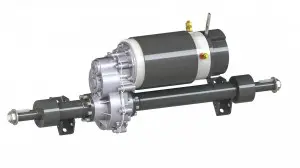
Introduction: Why Electric Transaxle Supplier Verification Matters
Step 1: Validate Legal & Business Legitimacy
Core Verification Actions
- Request official business registration documents
Ask for full legal entity registration paperwork, tax filings, and export authorization certificates. Cross-check registered business scope to confirm manufacturing production is listed, rather than only wholesale or trading services. Mismatches between legal entity name, factory address and bank payment details are immediate warning signs.
- Cross-reference online business databases
Use regional official corporate registry platforms to confirm active business status, operating years, and no open legal disputes, bankruptcy filings or repeated buyer complaints. Prioritize manufacturers with 10+ years of dedicated electric drivetrain production experience, as long-tenured factories maintain stable supply chains and refined production workflows.
- Live virtual factory walkthrough
Schedule an unplanned live video tour of the full facility, covering production workshops, raw material warehouses, finished product storage and quality testing labs. Legitimate manufacturers will readily provide real-time footage; brokers will rely on pre-recorded promotional videos and refuse on-demand live tours.
Key Benchmark for Transaxle Manufacturers
Step 2: Audit Manufacturing & Production Capacity
What to Inspect During Facility Review
- Specialized production equipment: CNC gear cutting machines, automated motor winding stations, precision balancing tools and metal casting workstations. Factories relying on manual hand assembly deliver inconsistent torque, noise and lifespan performance.
- Daily & monthly output metrics: Request documented production logs showing daily transaxle output, maximum monthly capacity and peak order handling records. Match capacity against your annual order forecast to avoid delivery bottlenecks during seasonal demand spikes.
- Raw material supply chain transparency: Ask for supplier lists of motor copper, alloy gear steel, aluminum housings and sealed bearing components. Reliable transaxle manufacturers maintain long-term contracts with certified raw material vendors to avoid material quality fluctuations.
- Warehouse & inventory management: A properly organized finished goods warehouse with separate storage for DC and AC transaxle models, categorized by voltage (24V/48V), power rating (300W–2200W) and gear ratio specifications confirms standardized inventory control.
Critical Differentiator
Step 3: Inspect Technical R&D & Product Engineering Strength
R&D Capability Verification Checks
- Review full product portfolio range
A mature manufacturer will offer a complete lineup covering low-power 300W trolley transaxles, mid-range 500W–1000W cleaning machine drive axles, and high-torque 2.2kW AC transaxles for heavy industrial transport. Multiple series with adjustable gear ratios (20:1, 24:57:1, 25:35:77:1) and customizable axle lengths prove robust design engineering capacity.
- Request custom engineering case studies
Ask for past OEM customization projects: modified flange hubs, extended axle tubes, integrated parking brakes, waterproof motor enclosures for washable floor scrubbers, and low-noise NVH optimized gear sets. Valid case studies include client equipment photos, performance test reports and post-delivery technical support records.
- Confirm dedicated engineering staffing
Request organizational charts showing full-time mechanical design, electrical motor and test engineers. Vendors without in-house designers rely on off-the-shelf generic transaxle molds and cannot adapt products to your unique machine footprint, weight load or speed requirements.
- Prototype development turnaround timeline
Reliable manufacturers deliver custom prototype transaxles within 7–15 business days. Vendors with multi-week lead times lack independent mold and machining capabilities and must outsource prototype production.
Step 4: Review Quality Control, Testing & Industry Certifications
Mandatory Documentation to Request
- Global quality management system certifications
ISO 9001 quality control certification is the baseline requirement, paired with ISO 14001 environmental compliance for manufacturing waste and emissions control. Request full original audit reports, not only digital certificate screenshots.
- Product safety & performance test reports
Every transaxle model should carry independent lab testing documentation covering:
- Load torque endurance cycling tests
- Noise, vibration and harshness (NVH) measurement
- Waterproof and dust ingress resistance ratings
- Continuous running thermal stability testing
- Gear wear and service lifespan simulation
- Regional market compliance marks
CE certification for European equipment markets, RoHS compliance for restricted hazardous materials, and regional safety standards for North American, Australian and Southeast Asian imports. Certificates must list the exact transaxle model numbers you intend to purchase, not generic product ranges.
End-to-End QC Process Validation
Step 5: Test Physical Samples & Real-World Performance
Standard Sample Testing Protocol for Buyers
- Order matching sample units
Request 2–3 samples of your target transaxle specification, including full technical datasheets outlining voltage, peak torque, maximum RPM, gear ratio, axle length and mounting dimensions.
- Lab bench performance testing
Validate core functional metrics against the supplier’s published specifications:
- Measured output torque vs. advertised rated torque
- No-load and full-load power consumption efficiency
- Operating noise levels under continuous load
- Temperature rise after 4+ hours of non-stop running
- Application field trial installation
Mount sample transaxles onto your prototype equipment and run continuous cycle testing matching your end-user operating conditions: uneven terrain loads, frequent start-stop cycling, and exposure to water or dust for cleaning machinery transaxles. Track performance degradation over several hundred operating hours.
- Component disassembly inspection
After field trials, disassemble one sample to inspect gear hardness, bearing quality, motor winding insulation and housing casting precision. Low-cost vendors use soft alloy gears that develop tooth wear and backlash within short service cycles.
Step 6: Verify Customer References & Field Application Track Record
How to Vet Supplier References
- Request verifiable OEM client contacts
Ask for contact details of existing manufacturers producing floor scrubbers, mobility carts, industrial trolleys or low-speed utility vehicles. Reach out directly to procurement or engineering teams to ask targeted questions:
- Average on-time delivery rate over 12 months
- Frequency of defective units received per batch
- Speed of technical support response for field failures
- Durability of transaxles under standard end-user operation
- Review industry project portfolio
Examine case studies showcasing transaxle integration across multiple verticals: commercial cleaning equipment, medical mobility carts, warehouse transport trolleys, and small electric industrial vehicles. A diverse application portfolio confirms the supplier understands varying load, speed and environmental operating demands.
- Search independent industry feedback
Browse global sourcing platforms, industrial machinery forums and social media business groups for unfiltered buyer reviews. Consistent complaints about delayed shipments, inconsistent sample vs. mass production quality, or unresponsive support signal high partnership risk.
Step 7: Evaluate After-Sales, Customization & Supply Chain Stability
Key Evaluation Criteria
- Customization flexibility
Confirm the supplier can adjust critical transaxle parameters: axle length, mounting hole layout, brake configuration, output flange design and motor wiring connectors. Rigid vendors that only offer pre-set standard models limit your product design flexibility.
- Warranty & replacement policies
Established manufacturers offer minimum 12–24 month factory warranties on full transaxle assemblies, with clear protocols for defective component replacement, spare parts supply and field failure troubleshooting. Avoid vendors offering only short 6-month limited warranties with ambiguous replacement terms.
- Supply chain resilience planning
Ask about contingency plans for raw material shortages, shipping delays and peak order volume surges. Reliable suppliers maintain safety stock of core transaxle components and hold long-term logistics contracts to avoid extended lead time disruptions.
- Global technical support access
Confirm multilingual engineering support teams for remote troubleshooting, plus on-site service options for large-volume OEM partners. Vendors relying solely on generic sales staff cannot resolve complex drivetrain integration issues quickly.
Red Flags to Reject Unqualified Electric Transaxle Vendors
- Cannot provide live on-demand factory video tours, only pre-recorded promotional footage
- Business registration documents list trading as primary operation, no manufacturing scope
- Refuses to share full test reports, original certification documents or verifiable client references
- Offers drastically lower pricing than industry averages with no breakdown of component material costs
- Claims unlimited customization but cannot provide past custom engineering case studies
- Demands 100% upfront payment for all orders with no flexible deposit terms
- Unable to supply consistent sample performance; test units show major torque/noise discrepancies from datasheet claims
- No dedicated quality testing lab or engineering team on-site during factory inspections
Final Supplier Verification Checklist for Bulk Procurement
| Verification Category | Pass Criteria | Failed Risk Indicator |
|---|---|---|
| Legal Business Status | Valid manufacturing registration, 10+ years operating history | Trading-only entity, expired registration, unresolved legal disputes |
| Production Capacity | Dedicated gear machining & motor assembly lines, documented monthly output | No core component manufacturing equipment, outsourced full assembly |
| R&D Engineering | In-house mechanical/electrical engineers, proven custom OEM projects | No design team, only generic off-the-shelf transaxle molds |
| Quality & Certifications | ISO 9001, CE/RoHS, full batch performance test reports | Expired or third-party certification documents, no formal QC workflow |
| Sample Performance | Bench and field trial results match published technical specs | High torque deviation, excessive noise, rapid gear wear during testing |
| Client References | Multiple active OEM buyers in your equipment vertical with positive feedback | Cannot provide verifiable industry client contacts |
| After-Sales & Supply Chain | 12+ month warranty, spare parts stock, flexible customization | Short limited warranty, rigid standard-only product lineup |
Conclusion: Build Long-Term Reliable Transaxle Partnerships
Post time: Jul-03-2026