

How to Select Electric Transaxle for Heavy Loads
When sourcing components for heavy-duty electric vehicles and industrial equipment, the electric transaxle stands out as one of the most critical assemblies. It integrates motors, gear reducers, differential systems and drive axles into a single compact unit, delivering power, torque and stability for hauling, towing and continuous heavy-load operations. Choosing a suitable electric transaxle for heavy loads directly impacts equipment performance, service life, operational efficiency and overall running costs. For global procurement professionals, equipment manufacturers and fleet operators, mastering the core selection criteria will help you pick a durable, cost-effective and high-performance solution that matches your operational scenarios. This guide breaks down every key factor to consider, common application scenarios, technical specifications and practical tips to streamline your decision-making process.
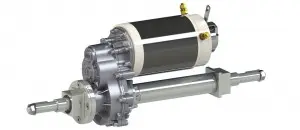
Understanding the Core Role of Electric Transaxles in Heavy-Duty Operations
Before diving into selection rules, it is essential to clarify why standard drive components cannot replace dedicated heavy-load electric transaxles. Ordinary electric transaxles are designed for light loads such as small trolleys, cleaning carts and low-speed mobility vehicles, with limited torque and load-bearing capacity. In contrast, heavy-duty electric transaxles are engineered to withstand sustained high loads, frequent starts and stops, bumpy terrain and steep gradients.
As an all-in-one power transmission unit, it eliminates complex intermediate transmission structures, reduces energy loss during power delivery and enhances overall mechanical stability. Under heavy-load conditions like fully loaded transport, climbing slopes and long-duration continuous work, a qualified heavy-load electric transaxle can maintain stable power output, avoid overheating, gear wear or motor burnout, and cut down unexpected downtime and maintenance expenses. It serves as the power backbone for electric tractors, industrial transport vehicles, heavy-duty three-wheelers, large sanitation equipment and various material handling machinery.
Key Performance Parameters to Prioritize for Heavy Loads
Performance parameters are the primary benchmark for screening electric transaxles. Every indicator is closely linked to heavy-load adaptability, and you need to match parameters precisely based on your actual load weight, working speed and operating environment.
1. Motor Power and Voltage Matching
Motor power determines the basic load capacity of the transaxle. For heavy-load applications, never choose power based on the rated load alone; always reserve a reasonable performance margin to cope with instantaneous peak loads such as startup, acceleration and slope climbing.
Low-voltage DC motors are the mainstream choice for heavy-duty mobile equipment. Common voltage specifications include 24V, 36V and 48V. Low-voltage systems feature stable output, strong overload resistance and high safety during long-term operation, which perfectly fits the working needs of heavy-load equipment. In terms of power classification:
- 300W to 800W: Suitable for light-to-medium heavy loads, such as medium-sized transport trolleys and small sanitation vehicles with a total load below 1 ton;
- 1000W to 2200W: The most widely used power range for heavy loads, matching electric tractors, large cleaning vehicles and heavy-duty material handling equipment with a load of 1 to 3 tons;
- Power above 2200W: Designed for ultra-heavy load scenarios, including large industrial transport vehicles and engineering mobile equipment with a load exceeding 3 tons.
When selecting voltage and power, keep the supporting power supply system consistent. Mismatched voltage will lead to insufficient motor power, slow startup under heavy loads and accelerated component aging. Meanwhile, focus on the motor’s continuous working rating rather than just peak power. Motors with excellent continuous working performance can avoid power attenuation and overheating after hours of heavy-load operation.
2. Output Torque
Torque is the core indicator measuring the heavy-load performance of an electric transaxle, which directly decides whether the equipment can start smoothly under full load and climb slopes steadily. The higher the output torque, the stronger the transaxle’s ability to carry heavy objects and overcome resistance.
For heavy-load scenarios, low-speed high-torque design is a must. When the equipment starts or travels on rough roads and slopes, it needs tremendous torque to overcome static friction and terrain resistance. When comparing products, focus on the rated output torque and instantaneous peak torque. Reliable heavy-duty transaxles adopt optimized gear structures to amplify motor torque, ensuring sufficient power output even under full-load conditions. It is worth noting that excessive pursuit of high torque while ignoring speed balance will result in low operating efficiency, so torque and working speed need to be matched according to actual usage requirements.
3. Gear Ratio and Transmission Structure
The gear ratio of the built-in reducer is closely tied to torque and speed, and it is also a key factor affecting the durability of the transaxle. A larger gear ratio means lower output speed and higher torque, which is more suitable for low-speed heavy-load operations; a smaller gear ratio adapts to scenarios requiring both load capacity and driving speed.
Most heavy-load electric transaxles use multi-stage reduction gear structures. High-precision gears can disperse pressure effectively, reduce wear during long-term heavy-load operation and extend the service life of the entire assembly. Products with dual-motor or multi-gear shifting structures perform better in complex heavy-load conditions: dual-motor designs can jointly output power during startup and climbing to boost load capacity, while switching to single-motor operation during flat-road travel to improve energy efficiency. Multi-gear shifting structures can adjust power output according to different working conditions, taking into account heavy-load climbing and normal driving demands. Avoid transaxles with overly simple gear structures, as they are prone to gear tooth deformation and damage under long-term heavy pressure.
4. Load-Bearing Capacity of Axle Housing and Overall Structure
The axle housing is the main load-bearing component of the electric transaxle, and its material and manufacturing process determine the overall structural strength, especially for equipment that often travels on bumpy roads and bears impact loads.
Common axle housing materials and features are as follows: Stamped and welded steel plates are lightweight and cost-effective, suitable for conventional flat-road heavy-load scenarios; Hydraulic forming processes realize lightweight design while guaranteeing basic load-bearing performance; Precision cast axle housings have the strongest rigidity and pressure resistance, capable of coping with harsh working conditions such as bumpy roads and frequent impact loads, and are the preferred choice for ultra-heavy load and complex terrain.
In addition to materials, check the overall structural integration. Highly integrated electric transaxles reduce connecting parts, lower the risk of loose components under vibration, and improve overall structural stability. For equipment with high load-bearing requirements, prioritize products with reinforced axle bodies and thickened structural parts.
Match Electric Transaxles with Actual Application Scenarios
Different heavy-load scenarios have distinct demands for transaxle performance, structure and accessories. Targeted selection based on usage scenarios can avoid performance redundancy or insufficient capacity, optimizing procurement cost and user experience.
1. Agricultural Electric Tractors
Agricultural tractors need to pull farm tools and transport crops, featuring heavy loads, frequent start-stop operations and complex road conditions including farmland, dirt roads and gentle slopes. It is recommended to select 1000W to 2200W low-voltage DC electric transaxles with high torque and a large gear ratio. The axle housing should adopt wear-resistant and impact-resistant materials to adapt to uneven farmland terrain. Meanwhile, focus on the dustproof and waterproof performance of the whole machine, as farm environments have much dust and occasional muddy water, and good sealing can prevent dust from entering gears and motors and causing failures.
2. Industrial Material Handling Vehicles and Heavy-Duty Trolleys
Such equipment operates in factories, warehouses and logistics yards, mainly running on flat ground, with stable loads and long continuous working hours. The priority is given to continuous working performance and transmission efficiency. Medium-torque electric transaxles with power ranging from 800W to 1500W are the mainstream choice. The structure can adopt a conventional integrated design, with requirements for low noise and low failure rate during long-term operation. For trolleys that need to frequently turn in narrow spaces, pay attention to the performance of the built-in differential, which can ensure flexible steering while bearing heavy loads.
3. Sanitation and Cleaning Equipment
Large-scale washing vehicles and engineering cleaning equipment have moderate loads but need to work for a long time, and the working environment contains water stains and corrosive substances. When selecting transaxles, in addition to matching power and torque, special attention should be paid to waterproof, anti-rust and anti-corrosion treatment for motors and metal parts. Sealed and fully enclosed transaxle products are more suitable for such scenarios to prevent water from penetrating and damaging internal circuits and gears.
4. Heavy-Duty Three-Wheeled Vehicles and Short-Distance Transport Equipment
This type of equipment undertakes short-distance hauling tasks, often operating on urban roads, rural roads and slopes, with mixed working conditions. It requires transaxles to balance torque, speed and impact resistance. It is recommended to choose products with a certain range of gear shifting functions and medium-to-high power. The axle housing needs to have strong pressure resistance to cope with jolts caused by road bumps under full load.
Environmental Adaptability and Durability Checks
Heavy-load equipment usually runs for a long time and faces diverse external environments. Environmental adaptability and long-term durability are important indicators that cannot be ignored besides basic performance parameters.
1. Sealing and Protection Level
Dust, water and debris are the main causes of early failure of electric transaxles. For equipment working outdoors, on construction sites, farmland and in workshops, select products with a high protection level. Good overall sealing can effectively block dust, muddy water and sundries from entering the interior, protecting gears, bearings and motors. Poor sealing will lead to gear oil contamination, motor short circuits and accelerated part wear, greatly increasing later maintenance costs.
2. Heat Dissipation Performance
Continuous heavy-load operation will generate a large amount of heat inside the motor and gear set. If heat cannot be dissipated in a timely manner, it will cause power attenuation, component aging and even burnout. Excellent heavy-load electric transaxles adopt optimized heat dissipation structures, such as heat dissipation shells and heat conduction materials, to ensure that the temperature remains within the normal range even after long hours of full-load operation. When evaluating products, you can refer to the working temperature range provided by the supplier and user feedback on long-term operation.
3. Lubrication and Wear Resistance
The internal gear set and bearings rely on lubricating oil to reduce friction. Heavy-load operation accelerates lubricant consumption and wear of mechanical parts. Products equipped with a long-life lubrication system can extend the maintenance cycle. Meanwhile, gears made of high-strength wear-resistant materials have stronger compression and wear resistance, avoiding tooth surface wear and tooth breakage after long-term heavy-load friction. For buyers, products with a long maintenance cycle can reduce the downtime loss caused by frequent lubrication and maintenance.
Compatibility, Installation and Post-Sales Service Considerations
For procurement buyers, product compatibility, installation convenience and after-sales support are key factors affecting the overall procurement experience and later operation, especially for bulk procurement and long-term supporting use.
1. Dimensional and Structural Compatibility
Before finalizing the selection, confirm whether the external size, installation hole position and connecting interface of the electric transaxle match your equipment frame, wheel hub and control system. Non-matching sizes will lead to difficult installation, secondary modification and increased additional costs. For customized equipment, you can communicate with suppliers about non-standard size adjustment to ensure seamless assembly. In addition, check the matching with controllers and brakes. A supporting braking structure can improve the safety of heavy-load equipment during downhill and parking.
2. Installation and Maintenance Convenience
The integrated electric transaxle features a compact structure and fewer scattered parts, making installation simpler. In terms of later maintenance, modular design products have obvious advantages: partial damaged components can be replaced separately without removing the entire transaxle, which saves maintenance time and parts costs. Avoid overly complex integrated structures. Although they have high integration, once a failure occurs, the overall disassembly difficulty and maintenance cost will be very high.
3. Supply Chain and After-Sales Support
Stable supply capacity and complete after-sales service are particularly important for bulk procurement of heavy-load components. Prioritize suppliers with rich production experience and a complete supply chain. Mature manufacturers have strict quality control in the production process, and product consistency and reliability are more guaranteed. At the same time, confirm the warranty period, after-sales maintenance channels and spare parts supply. For cross-border procurement, clear after-sales policies and quick spare parts supply can effectively resolve risks caused by product failures during use.
Common Mistakes to Avoid When Selecting Heavy-Load Electric Transaxles
Many buyers tend to fall into misunderstandings during the selection process, leading to improper product matching and economic losses. Here are the most common mistakes to avoid:
- Blindly pursuing high power and torque: Excessively high parameters will increase procurement costs and energy consumption. Select parameters reasonably based on the actual load and working conditions, and reserve a 20% to 30% performance margin appropriately.
- Ignoring structural strength for low prices: Low-cost transaxles usually use thin materials and simple gear structures. Although the initial procurement cost is low, failures frequently occur under heavy loads, and the later comprehensive cost is higher.
- Neglecting environmental adaptability: Only focusing on power while ignoring protection, waterproofing and heat dissipation will lead to rapid product aging in harsh environments.
- Disregarding compatibility: Purchasing products with unmatched interfaces and sizes will result in failed assembly and delayed project progress.
Final Summary
Selecting a qualified electric transaxle for heavy loads requires comprehensive consideration of performance parameters, application scenarios, environmental adaptability, structural durability, compatibility and after-sales support. Start from the core demands of load weight, working speed and operating environment, and screen products layer by layer according to motor power, output torque, gear structure and axle housing materials. Do not just compare single parameters or prices, but focus on the overall stability, continuous working capacity and long-term use cost of the product.
A well-matched heavy-load electric transaxle can not only give full play to the working efficiency of the equipment but also reduce failure rates and maintenance costs for long-term operation. Following the above selection guidelines will help you quickly locate the most suitable product in numerous models, complete procurement work efficiently, and create stable value for equipment operation and fleet management.
Post time: Jun-10-2026