

How to Get the Best Electric Transaxle Quote
Getting an accurate, cost‑effective electric transaxle quote is critical for buyers in industrial mobility, material handling, utility vehicles, and automated equipment. A poorly prepared request often leads to vague pricing, hidden costs, or mismatched components that hurt performance and total cost of ownership. This guide walks you through every step to secure a transparent, competitive, and technically suitable quote for your project.
Table of Contents
- Why a Detailed Brief Matters for Transaxle Quoting
- Core Specifications That Directly Affect Pricing
- Application & Load Conditions You Must Clarify
- Voltage, Power, and Performance Requirements
- Mechanical Dimensions & Mounting Compatibility
- Certifications, Quality, and After-Sales Support
- How to Compare Quotes Effectively
- Common Mistakes to Avoid When Requesting Quotes
- Final Checklist for Your RFQ
Why a Detailed Brief Matters for Transaxle Quoting
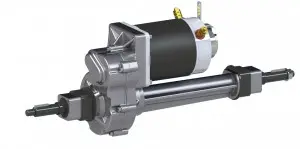
Electric transaxles are highly customized components that combine motor, gearbox, brake, and axle into one integrated assembly. Even small differences in load, speed, voltage, or mounting can change costs significantly.
Suppliers rely on clear information to:
- Avoid over‑engineering or under‑specifying your unit
- Provide fixed pricing instead of estimated ranges
- Recommend the most cost‑effective configuration
- Reduce lead times and engineering revisions
A complete brief ensures you receive apples‑to‑apples quotes that match real‑world operating conditions.
Core Specifications That Directly Affect Pricing
These factors have the biggest impact on your final quote. Prepare them upfront for fast, accurate responses.
| Specification | Why It Matters | Typical Range |
|---|---|---|
| Rated Power | Determines motor size and cost | 300W – 3000W |
| Voltage System | Affects motor, controller, and wiring | 12V / 24V / 36V / 48V |
| Load Capacity | Defines gear ratio and structural strength | 100kg – 2000kg |
| Working Speed | Influences gear reduction design | 2 – 12 km/h |
| Continuous / Intermittent Use | Impacts motor cooling and durability | Continuous / 8h / 4h |
Application & Load Conditions You Must Clarify
Be specific about how and where your transaxle will operate. Vague descriptions lead to unreliable quotes.
Include these details:
- Vehicle type (trolley, tractor, sweeper, pallet truck, wheelchair, etc.)
- Typical terrain (flat, slope, indoor, outdoor, rough ground)
- Maximum gradient and frequency of climbing
- Daily operating duration and duty cycle
- Environmental conditions (wet, dusty, high/low temperature)
Voltage, Power, and Performance Requirements
Voltage and power directly shape motor selection and total cost.
Provide:
- Exact system voltage of your machine
- Required starting torque (especially for hill climbing)
- Target no‑load and full‑load speed
- Need for forward/reverse function
- Brake type (electromagnetic, mechanical, or none)
Mechanical Dimensions & Mounting Compatibility
Mechanical mismatches are one of the top causes of costly reworks. Include:
- Wheel spacing or axle total length
- Input shaft size and connection type
- Mounting hole pattern and position
- Wheel hub size and compatibility
- Space constraints for installation
Suppliers can optimize design and avoid modification fees if they know your envelope limits.
Certifications, Quality, and After-Sales Support
For global buyers, compliance and support are non‑negotiable. Ask suppliers to clearly state:
- Applicable safety and quality certifications
- Material standards and component durability
- Warranty period and coverage
- After-sales service, spare parts availability
- Lead time for mass production and samples
Transparent policies lower long‑term operational risks.
How to Compare Quotes Effectively
Once you receive multiple quotes, compare them using a structured approach:
- Verify that all quotes are based on the same technical parameters
- Check what is included (motor, gearbox, brake, controller, wiring, etc.)
- Identify hidden costs such as molds, testing, or shipping
- Evaluate total cost of ownership, not just unit price
- Confirm lead time, MOQ, and sample policy
The cheapest quote is not always the most economical over the product life cycle.
Common Mistakes to Avoid When Requesting Quotes
- Providing only estimated load or speed
- Ignoring working environment and duty cycle
- Forgetting mounting dimensions and installation space
- Accepting open‑price quotes without clear inclusions
- Overlooking certification and warranty terms
- Rushing quotes without full technical details
These errors often lead to budget overruns and project delays.
Final Checklist for Your RFQ
Use this list before sending your inquiry to ensure complete, accurate quotes:
- Application and working conditions
- Load, speed, and gradient requirements
- Voltage, power, and torque needs
- Axle length, mounting, and shaft dimensions
- Brake type and control method
- Certifications and quality standards
- Order quantity and target lead time
- Special needs (sealing, waterproofing, low noise)
Conclusion
Securing the best electric transaxle quote depends less on negotiation and more on preparation. By defining your technical needs, operating conditions, and mechanical constraints clearly, you help suppliers deliver precise, competitive, and reliable offers. A well‑prepared RFQ saves time, reduces risks, and ensures you get a high‑performance transaxle at the right cost for your project.
Post time: May-08-2026