

Electric Transaxle Shipping Cost Guide: Full Breakdown for Global Equipment Buyers
Introduction
For distributors, equipment manufacturers and fleet operators sourcing DC electric transaxles for trolleys, cleaning machines, mobility trikes, electric tractors and industrial walkers, shipping expenses represent one of the largest variable costs in bulk procurement. Many buyers only compare unit prices of transaxles and overlook hidden logistics fees, leading to unexpected budget overruns and compressed profit margins.
This complete guide breaks down every component of electric transaxle shipping costs, outlines core factors that drive pricing differences across global lanes, compares all mainstream transport modes, shares actionable cost-cutting strategies and highlights common logistics pitfalls to avoid. Written exclusively for international procurement teams, this resource delivers transparent, actionable data to help you accurately estimate budgets, negotiate freight rates and streamline cross-border delivery of motor integrated transaxle assemblies.
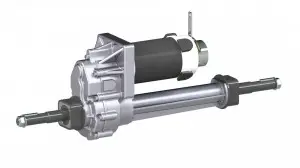
1. Full Breakdown of Electric Transaxle Shipping Costs
Total delivery expenditure for DC drive transaxles is split into core freight charges, mandatory surcharges, value-added service fees and hidden incidental costs. Every line item impacts your final landed cost, and buyers must account for all categories during quotation evaluation.
1.1 Base Freight Charges (Largest Expense)
Logistics carriers calculate base rates using the chargeable weight rule: they compare the actual gross weight of packed transaxles and volumetric weight, then bill on whichever value is higher.
- Volumetric weight formula standard across air and sea freight: (Length × Width × Height in cm) / 5000 for air; /6000 for ocean LCL shipments
- Electric transaxles are dense metal machinery, so most bulk orders bill by actual weight. Small-volume low-wattage models (300W–800W) may trigger volumetric pricing if overpacked with bulky wooden frames.
- Rate tiers scale with shipment volume: LTL/LCL small batches carry high per-unit rates, while full container loads (FCL) or full truckloads slash individual transaxle shipping costs by 30%–50%.
1.2 Mandatory Standard Surcharges
These fees apply to nearly all cross-border transaxle shipments and cannot be waived:
- Terminal Handling Charges (THC): Port/warehouse loading, unloading and container staging fees, charged per cubic meter or per container
- Documentation Fee (DOC): Customs filing, bill of lading and export declaration paperwork
- Fuel Adjustment Surcharge: Fluctuates monthly based on global fuel prices, applied to sea, air and overland freight
- Security Surcharge: Mandatory anti-terror screening for all ocean and air cargo entering North America, Europe and Southeast Asia
- Customs Clearance Duties & Import Taxes: Dependent on destination country HS code classification for electric motor transaxles; misclassification leads to fines and detention fees
1.3 Specialized Add-On Fees for Electric Transaxles
As mechanical assemblies with integrated DC motors, transaxles incur unique supplementary charges absent from generic light goods:
- Reinforced packaging fee: Custom plywood crates, anti-rust wrapping and pallet stabilization for heavy metal drive units
- Battery compliance surcharge: Separate regulatory handling for integrated lithium or lead-acid power packs, including hazard labeling and dedicated cargo segregation
- Oversize surcharge: Larger high-power transaxles (1500W–2200W) exceeding standard pallet dimensions trigger extra dimensional fees
- Cargo insurance: Covers damage during transit for heavy machinery; standard policies cover 0.3%–1% of total cargo value, higher coverage for premium industrial transaxle models
1.4 Hidden Incidental Costs (Common Buyer Oversights)
Unplanned fees that inflate final logistics budgets if unplanned for:
- Demurrage & detention charges: Daily storage fees for containers held beyond free port warehouse windows
- Inland last-mile delivery: Port-to-factory trucking, crane and forklift rental for heavy transaxle unloading
- Customs inspection fees: Random cargo screenings can delay delivery and add administrative labor costs
- Return transport fees: Damaged packaging or non-compliant battery labeling requiring repackaging at transit hubs
2. Key Factors That Shift Electric Transaxle Shipping Rates
Logistics pricing is never static; six primary variables create massive cost gaps between identical transaxle orders shipped to different regions or at different times of the year.
2.1 Transaxle Model Specifications & Order Volume
- Power rating and physical size: Low-watt compact transaxles (300W–500W) stack efficiently on pallets for lower volumetric costs. Heavy high-torque 2200W drive axles increase gross weight and limit pallet stacking quantity, raising per-unit freight.
- Order batch size: Consolidated bulk shipments of 500+ units qualify for carrier volume discounts. Small trial orders under 50 units rely on LCL/LTL consolidation with steep per-piece markup.
- Packaging design: Over-engineered wooden frames add unnecessary weight and volume. Optimized flat-pack reinforced cardboard packaging reduces chargeable weight by 10%–18% without compromising cargo safety.
2.2 Chosen Global Transport Mode
Each delivery method balances cost, transit timeline and minimum order thresholds, tailored to different buyer lead time requirements:
表格
| Transport Mode | Relative Cost | Typical Transit Time | Best For Transaxle Orders |
|---|---|---|---|
| Full Container Sea Freight (FCL) | Lowest | 25–45 days | Large bulk annual restocks, non-time-sensitive inventory |
| Less Than Container Sea Freight (LCL) | Moderate | 30–50 days | Mid-sized batches 50–300 units, budget-focused distributors |
| Rail Intermodal (Eurasian Land Bridge) | Mid-range | 12–22 days | European, Central Asian buyers balancing speed and cost |
| Standard Air Freight | High | 3–7 days | Emergency replacement stock, small urgent prototype shipments |
| Express Air Courier | Highest | 1–4 days | Tiny sample orders under 10 units, rapid engineering testing |
2.3 Destination Geographic Region & Port Access
Major trade lanes with frequent carrier competition maintain more stable, affordable rates: North America West Coast, Western Europe main ports, Southeast Asia industrial hubs.
Remote inland markets, island nations and landlocked territories add steep inland haulage surcharges. For example, delivering transaxles to central Africa or rural Australia doubles last-mile costs compared to coastal industrial zones.
2.4 Seasonal Freight Market Fluctuations
Global logistics pricing follows predictable annual cycles that buyers can leverage for budget planning:
- Peak season (Q4 September–December): Retail and manufacturing stockpiling pushes ocean and air rates up 40%–70% due to limited container and aircraft capacity
- Off-peak window (February–June): Reduced cargo demand unlocks discounted carrier contracts; ideal timing for bulk transaxle restocks to lock in low rates
- Short-term price spikes: Supply chain disruptions, port congestion and fuel price surges create temporary rate hikes that last 1–3 months
2.5 Battery Integration & Regulatory Compliance
Transaxles paired with onboard DC power batteries fall under international dangerous goods shipping rules. Shipments with loose lithium cells require specialized labeling, segregated cargo space and certified hazmat packaging, adding 15%–25% to total freight bills. Buyers sourcing motor-only transaxles without pre-installed batteries avoid these compliance surcharges entirely.
2.6 Long-Term Freight Partnership Terms
One-off spot market bookings always carry premium pricing. Procurement teams that commit to annual minimum shipment volumes with a single freight forwarder secure tiered discount schedules, waived documentation fees and priority cargo space during peak shipping seasons.
3. Side-by-Side Cost Estimation Example for Reference Buyers
To demonstrate real-world cost differences, here is a comparative breakdown for two standard electric transaxle shipment scenarios bound for Germany:
Scenario A: Small Trial Order (40 units, 800W trolley transaxles, battery included)
- Shipment mode: LCL sea freight
- Base freight: $1,120
- Battery hazmat surcharge + wooden crate packaging: $380
- THC, DOC, security fees: $210
- Port-to-factory inland delivery: $270
- Cargo insurance: $95
- Total all-in shipping cost: $2,075
- Average shipping cost per transaxle: $51.88
Scenario B: Bulk Annual Restock (600 units, same 800W model, motors shipped separate from batteries)
- Shipment mode: 20ft FCL sea freight
- Base freight (volume discounted): $3,250
- Standard pallet packaging (no hazmat fee): $420
- Combined mandatory port surcharges: $580
- Inland bulk delivery flat rate: $330
- Cargo insurance: $260
- Total all-in shipping cost: $4,840
- Average shipping cost per transaxle: $8.07
The data clearly illustrates that consolidated bulk orders with separated battery shipments slash per-unit logistics expenses by over 84%, a critical margin advantage for equipment resellers.
4. 7 Actionable Strategies to Cut Electric Transaxle Shipping Expenses
These field-tested tactics reduce landed logistics costs without risking transit damage or delayed delivery timelines, designed for B2B industrial procurement teams.
4.1 Consolidate Multiple Orders Into Single FCL Shipments
Avoid frequent small LCL batches by mapping quarterly inventory demand and combining 2–3 months of transaxle orders into one full container load. FCL eliminates per-cubic-meter LCL consolidation fees and lowers volumetric surcharges for dense motor assemblies. Coordinate with other regional distributors to share container space if your order volume cannot fill a full 20ft container independently.
4.2 Optimize Packaging to Minimize Chargeable Weight & Volume
Replace oversize solid wooden crates with lightweight reinforced plywood pallets fitted with custom foam anti-vibration inserts. Secure transaxle axles and motor protrusions with molded bubble wrap instead of bulky loose packing materials. Small adjustments to packaging dimensions can reduce volumetric weight calculations enough to drop an entire pricing tier with carriers.
4.3 Separate Transaxle Motors and Batteries for Shipment
When possible, arrange motor transaxle assemblies and battery packs to ship in separate consignments. Motor-only shipments classify as standard mechanical goods, eliminating expensive dangerous goods hazmat surcharges, specialized cargo segregation and mandatory hazard labeling fees. Ship batteries via dedicated battery freight consolidators at a lower separate rate.
4.4 Schedule Bulk Deliveries During Off-Peak Freight Windows
Plan major restock shipments between February and June to bypass Q4 holiday season freight surges. If production timelines allow, avoid booking cargo space in late November and December, when container shortages push ocean rates to annual highs. Lock in carrier pricing 4–6 weeks before shipment during off-peak periods to secure fixed low rates without last-minute markup.
4.5 Negotiate Tiered Long-Term Freight Forwarder Contracts
Select 2–3 licensed industrial freight forwarders specializing in mechanical motor cargo and sign annual framework agreements with guaranteed minimum shipment volumes. Request tiered pricing discounts that activate once your yearly transaxle cargo tonnage hits pre-set thresholds, and negotiate waivers for recurring minor fees like documentation and basic terminal handling charges.
4.6 Leverage Multi-Modal Rail Freight for European & Central Asian Destinations
For buyers receiving transaxles in Germany, France, Poland, Kazakhstan and surrounding regions, intermodal rail freight delivers a middle ground between slow ocean shipping and costly air freight. Rail transit cuts delivery time in half versus sea freight, with rates 40% lower than standard air cargo, ideal for mid-sized bulk orders with moderate lead time flexibility.
4.7 Pre-Confirm Accurate HS Codes to Avoid Customs Penalties
Work with your freight forwarder to verify the correct HS tariff classification for your specific electric transaxle model before shipment. Misclassified mechanical motor assemblies trigger customs detention, daily storage demurrage fees and retroactive import tax fines that can exceed the original base freight cost. Pre-submit documentation to destination customs authorities for pre-clearance to eliminate inspection delays.
5. Common Shipping Pitfalls That Inflate Transaxle Logistics Budgets
Many procurement teams encounter avoidable cost overruns due to overlooked mechanical cargo logistics rules:
- Underestimating volumetric weight impact: Many buyers only calculate transaxle physical weight and fail to account for pallet and packaging bulk, resulting in unexpected carrier rate adjustments after cargo arrives at the loading warehouse.
- Skipping cargo insurance for high-value bulk orders: Damaged gearboxes, bent axles or water-corroded DC motors during transit create full replacement costs without insurance coverage, far outweighing small premium fees.
- Ignoring inland destination haulage quotes: Freight quotations often only cover port-to-port ocean/air transport. Always request door-to-door all-in pricing that includes factory unloading, forklift rental and local truck delivery.
- Last-minute emergency air freight bookings: Failing to forecast inventory demand forces rush air shipments at spot peak rates, which can cost 5–7 times more than planned sea freight per transaxle unit.
- Neglecting battery transport certification: Uncertified lithium or lead-acid battery shipments face full cargo seizure at transit ports, incurring storage, repackaging and return shipping fees with zero recourse for cost recovery.
6. Final Tips for Accurate Shipping Cost Forecasting
- Collect complete cargo data when requesting freight quotes: full transaxle model dimensions, individual unit weight, total order quantity, battery inclusion status and exact delivery address (port or inland factory). Incomplete data leads to unreliable initial estimates and post-shipment price increases.
- Compare door-to-door all-in quotes from at least three freight providers instead of only evaluating base freight rates; a cheaper headline ocean rate may hide expensive unlisted surcharges.
- Build a quarterly logistics budget buffer of 10%–15% to absorb unforeseen variable costs including temporary fuel surcharges, port congestion fees and customs inspection labor.
- Track historical shipping data for your recurring transaxle orders to identify seasonal pricing trends and plan future bulk procurement cycles around low-cost freight windows.
Conclusion
Electric transaxle shipping costs are not fixed expenses—they can be systematically controlled through strategic order consolidation, packaging optimization, transport mode selection and long-term freight partnership planning. By breaking down every logistics line item, accounting for battery regulatory surcharges and avoiding widespread procurement pitfalls, global equipment buyers can drastically reduce per-unit landed costs and protect profit margins on trolleys, cleaning machinery, mobility vehicles and electric tractors powered by integrated DC drive transaxles.
Use this guide as a reference template for all freight quotation evaluations, and align your bulk sourcing schedules with low-cost off-peak shipping periods to maximize long-term logistics savings on every transaxle shipment.
Post time: Jun-19-2026