Electric Transaxle Selection Guide for Beginners
Introduction
Navigating the world of
electric transaxles can feel overwhelming for first-time buyers and industry newcomers. These integrated drive units combine electric motors, gear systems, and axle components into one compact assembly, serving as the core power solution for electric tractors, mobility trikes, cleaning equipment, trolleys, and light-duty industrial vehicles.
For beginners without professional engineering background, picking the wrong electric transaxle often leads to insufficient power, shortened service life, poor compatibility with equipment, or unnecessary cost waste. This comprehensive guide breaks down every key factor, core parameter, application scenario, and selection tip in plain language. It is tailored to help global procurement beginners make precise, cost-effective, and reliable purchasing decisions that fit actual project demands.
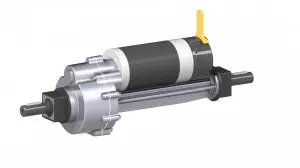
What Exactly Is an Electric Transaxle?
Before diving into selection, it is essential to grasp the basic definition and working principle of an electric transaxle. Unlike separate electric motors and traditional axles, an electric transaxle is an all-in-one integrated drive structure. It integrates DC motors, reduction gear sets, differential mechanisms, and drive axles into a single unit.
This integrated design brings two core advantages for end users and procurement buyers. First, it simplifies equipment assembly, reducing installation steps and saving structural design costs. Second, it optimizes power transmission efficiency, delivers stable torque output, and cuts down daily maintenance needs compared to split drive parts. Widely adopted in low-speed electric mobile equipment, it has become the preferred drive component for small and medium-sized electric machinery across multiple industries.
Key Core Parameters Beginners Must Prioritize
Choosing an electric transaxle starts with locking in core technical parameters. Avoid blindly following product labels; focus on these practical indicators that determine matching degree and service performance.
1. Power Rating
Power is the most fundamental indicator, commonly ranging from 300W to 2200W in mainstream market models. Low power options including 300W, 400W and 500W are ideal for lightweight devices such as strollers, car washing equipment and small cleaning machines. Medium power of 800W and 1000W fits trolleys, light-duty transport vehicles and small electric tractors. High power like 1.5KW and 2200W is suitable for heavy-load mobile equipment that requires strong climbing and load-bearing capacity. Beginners should match power strictly according to equipment load weight and usage scenarios instead of overbuying high power to avoid energy waste and cost surplus.
2. Voltage Specification
24V DC is the most mainstream universal voltage for civilian and industrial low-speed electric transaxles. It features safe operation, wide compatibility with conventional battery packs, and easy supporting charging and control systems. For most light to medium load equipment, 24V voltage can fully meet daily operation needs. Special customized voltage models are only recommended for professional industrial customized projects, and beginners are advised to prioritize standard 24V products to ensure accessory compatibility and after-sales convenience.
3. Torque Output
Torque decides the load-bearing and climbing ability of the equipment. Higher torque means stronger performance in carrying heavy goods and navigating sloped roads. Products marked with 16NM and other torque parameters are suitable for conventional flat-road operation. If the application scenario involves frequent climbing, uneven roads or heavy load transportation, it is necessary to select a high-torque electric transaxle to prevent insufficient power and stalling during operation.
4. Structural Size and Installation Interface
Different equipment has reserved installation space and fixing hole positions. Beginners often overlook size matching, resulting in inability to install after purchasing. It is necessary to confirm the overall length, width and height of the transaxle, mounting hole spacing and output shaft interface size in advance. Standard general models are suitable for most mainstream equipment, while non-standard special machinery needs to confirm dimensional drawings with suppliers in advance.
Common Types & Typical Application Scenarios
Electric transaxles can be classified by power and functional design, with each type corresponding to fixed application fields. Beginners can quickly narrow down the selection scope by matching scenarios first.
- Low-power 300W-500W Models: Perfect for lightweight mobile devices such as baby strollers, small floor cleaning machines, automatic car washing equipment and miniature sightseeing vehicles. They feature low energy consumption, compact size and quiet operation, meeting the demand for light load and low noise.
- Medium-power 800W-1000W Models: Widely used in electric trolleys, warehouse handling equipment, small garden tractors and three-wheel mobility vehicles. Balancing power and energy consumption, they adapt to flat and slightly undulating road conditions for daily handling and short-distance transportation.
- High-power 1.5KW-2200W Models: Applied to medium-sized electric tractors, heavy-duty cleaning equipment and industrial low-speed transport vehicles. With strong load-bearing and climbing performance, they suit complex working conditions and long-hour continuous operation.
Beginner’s Step-by-Step Selection Process
Follow this simple step-by-step process to avoid selection mistakes and efficiently lock the right electric transaxle.
-
Clarify Application Scenario & Load Demand
Confirm the type of supporting equipment, maximum load weight, daily operating road conditions and whether frequent climbing is required. This is the premise of all selection work.
-
Determine Power & Voltage Range
Match corresponding power according to load; prefer standard 24V DC voltage to ensure battery and control system compatibility.
-
Check Installation Size & Interface Compatibility
Verify the equipment’s reserved installation space and fixing method, and select standard size models preferentially to reduce customization costs.
-
Prioritize Supply Chain & Quality Stability
Choose products with complete quality assurance and mature market application verification. Stable supply chain and standardized production can ensure consistent product quality and delivery cycle.
-
Confirm After-Sales Service Support
Focus on whether the supplier provides on-site technical guidance and after-sales maintenance support, which is crucial for long-term project operation and batch procurement.
Common Selection Mistakes Beginners Need to Avoid
Many new procurement buyers easily fall into selection pitfalls. Avoid these common misunderstandings to reduce procurement risks.
- Blindly pursuing high power: Excess power increases purchase cost and energy consumption without bringing actual performance improvement.
- Ignoring installation size parameters: Only focusing on power and ignoring dimensional interface leads to installation failure and replacement delays.
- Neglecting scenario matching: Using flat-road dedicated models for frequent climbing scenarios results in insufficient torque and accelerated component wear.
- Overlooking quality consistency: Choosing low-cost unstandardized products leads to high failure rates and increased later maintenance costs.
Final Conclusion
Selecting a suitable electric transaxle for beginners does not require professional engineering knowledge. It only needs to start with application scenarios, clarify core parameters such as power, voltage and torque, match product types reasonably, and avoid common selection misunderstandings.
As low-speed electric mobile equipment continues to develop, electric transaxles will be more widely used in multiple fields such as logistics handling, cleaning sanitation, garden machinery and mobility transportation. Mastering the selection logic in this guide can help global procurement beginners quickly improve decision-making efficiency, select cost-effective and stable products, and lay a solid foundation for project operation and batch procurement.
Post time: Jun-01-2026