

Electric Transaxle Price by Voltage: A Complete Buying Guide for Global Buyers
When sourcing electric transaxles for light electric vehicles, material handling equipment, mobility devices and small industrial machinery, voltage rating stands out as one of the most influential factors affecting overall pricing, performance and practical application. For wholesalers, equipment manufacturers and project purchasers across global markets, understanding the correlation between voltage specifications and electric transaxle costs helps streamline budget planning, product selection and bulk purchasing decisions. This guide breaks down mainstream voltage categories, corresponding price ranges, key cost drivers, application scenarios and practical purchasing tips to support your sourcing process.
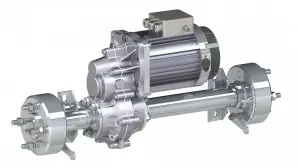
Overview of Mainstream Voltages for Electric Transaxles
Electric transaxles integrate DC motors, gear reducers and axle structures into a single compact unit, widely adopted in low-speed electric vehicles. The industry has formed several mature voltage standards to match different load demands, working durations and usage environments. The most common specifications on the global market are 24V DC, 36V DC, 48V DC, while high-voltage variants such as 72V DC and above are mainly used for heavy-duty equipment and high-speed electric vehicles. Each voltage level corresponds to distinct component configurations, production costs and target markets, creating clear tiered pricing in the industry.
Voltage directly determines the motor winding design, internal circuit components, insulation materials and matching control systems of the transaxle. Low-voltage models feature simpler structures and lower material requirements, leading to relatively affordable prices. As voltage increases, manufacturers need to upgrade insulation, use high-temperature resistant electronic parts and optimize circuit protection structures, which gradually pushes up production and sales costs. Meanwhile, power output is closely linked to voltage, so different voltage transaxles are tailored for differentiated load and power demands.
Price Analysis by Different Voltage Classes
24V DC Electric Transaxles
24V is the most widely used low-voltage specification for entry-level electric transaxles, mainly paired with motors ranging from 300W to 2200W. This series is primarily designed for light-load, short-distance mobile equipment and small household or commercial devices.
In the global wholesale market, the unit price of standard 24V electric transaxles varies significantly based on motor power, gear material and assembly craftsmanship. Basic models equipped with 300W to 500W DC motors, commonly used for cleaning equipment, small strollers and light trolleys, have a wholesale price range of $85 to $160 per unit. Mid-range 800W to 1000W 24V transaxles, suitable for general trolleys and small garden electric tractors, are priced between $160 and $280 per unit. High-power 1500W to 2200W 24V versions for light three-wheel mobility vehicles fall into the price bracket of $280 to $420 per unit.
Bulk purchasing will bring obvious price discounts. Orders of 10 units or more usually enjoy a 5% to 8% price reduction, while large orders exceeding 50 units can further cut costs by 10% or more. Thanks to mature production technology, sufficient raw material supply and huge market volume, 24V electric transaxles maintain stable prices all year round with almost no drastic fluctuations.
36V DC Electric Transaxles
Positioned between low voltage and medium voltage, 36V electric transaxles are a transitional product, filling the performance gap between 24V and 48V models. Their supporting motor power is mostly concentrated from 1000W to 3000W, targeting medium-load equipment that requires longer continuous operation and stronger climbing capacity.
Compared with 24V products of the same power, 36V transaxles adopt upgraded insulation materials and optimized gear sets, so the overall price is 15% to 25% higher. Standard 1000W to 1500W 36V electric transaxles for medium-sized transport trolleys and light agricultural equipment have a wholesale price of $220 to $350 per unit. 2000W to 3000W high-performance models for small electric engineering vehicles and short-distance delivery vehicles are priced at $350 to $510 per unit.
The market share of 36V transaxles is smaller than 24V and 48V, resulting in relatively fewer manufacturers. The price stability is good, but the discount range for bulk orders is slightly lower than 24V products, with the maximum discount for large orders generally controlled within 10%.
48V DC Electric Transaxles
48V is the mainstream medium-voltage specification for commercial and light industrial electric vehicles, and also the most popular choice for medium-load application scenarios worldwide. Matched with motors of 1500W to 5000W, this voltage level balances power performance, endurance and cost, covering most commercial mobility equipment, material handling vehicles and small electric transport vehicles.
Due to higher requirements for motor performance, circuit safety and load-bearing structure, the cost of 48V electric transaxles rises noticeably. Conventional 1500W to 3000W models, widely used in electric tricycles, warehouse handling vehicles and sightseeing vehicles, have a wholesale price of $320 to $530 per unit. Heavy-duty 3000W to 5000W 48V transaxles for load-bearing electric vehicles and engineering auxiliary equipment are priced at $530 to $780 per unit.
48V products have a large market demand and complete supporting industrial chains. Multiple suppliers provide alternative options, so the market competition is fierce. For bulk buyers, the price negotiation space is relatively large. Regular bulk orders can get a 8% to 12% discount, and long-term cooperative purchasers can also obtain additional after-sales service support on the basis of favorable prices.
72V DC and Higher Voltage Electric Transaxles
Voltages of 72V and above belong to the high-voltage category for electric transaxles, mainly applied to high-speed electric vehicles, heavy-duty transport vehicles and large industrial electric equipment, with supporting motor power generally above 5000W.
High-voltage transaxles put forward extremely strict standards for component insulation, voltage resistance, electromagnetic compatibility and overall structural stability. Core components such as controllers and motors need to use high-grade industrial materials and precision processing technology, so the production cost increases sharply. The wholesale price of standard 72V electric transaxles starts at **$790 per unit**, and high-power reinforced models can even exceed $1200 per unit.
The market of high-voltage electric transaxles is segmented, with few professional manufacturers. Product prices remain at a high level all year round, and the discount range for bulk orders is limited. Most manufacturers only provide 3% to 6% preferential prices for large orders, and customized high-voltage models will have an additional premium of 15% to 30%.
Core Factors That Cause Price Differences Among Different Voltage Transaxles
1. Raw Material and Component Costs
Voltage is the core standard for selecting internal components. Low-voltage 24V transaxles use ordinary insulating paint, common copper wires and standard plastic shell parts with low material costs. When the voltage rises to 48V and above, the motor needs high-pressure resistant insulating materials, thickened copper coils and metal shells with enhanced protection. High-voltage models above 72V also need to be equipped with dedicated voltage stabilization modules and overvoltage protection components, and the cost of a single set of electronic accessories is several times that of low-voltage products.
2. Production Process and Technical Difficulty
The production process of low-voltage electric transaxles is mature and the assembly threshold is low, which can realize large-scale automated production and dilute the unit production cost. With the increase of voltage, the requirements for winding accuracy, circuit wiring and component assembly tolerance continue to improve. High-voltage products need to go through multiple rounds of high-voltage testing and aging tests before leaving the factory, increasing labor and testing costs. In addition, the research and development costs of high-voltage matching control systems are also higher, which is eventually reflected in the sales price.
3. Load-Bearing Structure and Durability Design
Equipment matching high-voltage transaxles usually has higher load and power demands. Therefore, manufacturers will thicken gear teeth, upgrade bearing models and reinforce axle structures for medium and high-voltage products to adapt to long-term high-load operation. The upgraded mechanical structure increases the consumption of metal materials and processing difficulty, further widening the price gap between different voltage products.
4. Market Supply and Demand Scale
24V and 48V electric transaxles have the largest market demand, numerous manufacturers and sufficient inventory. Sufficient market competition keeps prices transparent and stable. The market demand for 36V, 72V and other specifications is relatively niche, with fewer suppliers. The small production scale cannot form a scale effect, so the unit cost is naturally higher, and the price is less affected by market competition.
Voltage Selection Guidance Based on Application Scenarios
Choosing the appropriate voltage not only controls procurement costs but also ensures the stable operation of terminal equipment. Combining the usage habits of global buyers and equipment application fields, here is targeted selection advice:
- 24V DC: Priority for light-load, low-speed equipment. Suitable for cleaning cars, small shopping trolleys, baby strollers, portable mobility scooters and miniature garden machinery. It is the best choice for buyers with limited budgets and light load demands.
- 36V DC: Ideal for medium-light load equipment that requires improved endurance. Applicable to small agricultural tractors, medium-sized handling trolleys and short-distance light transport vehicles. It is preferred when 24V power is insufficient and 48V budget is limited.
- 48V DC: The first choice for commercial and general industrial equipment. Widely used in electric tricycles, warehouse logistics vehicles, scenic sightseeing cars and community transport vehicles. It is the most cost-effective option for most commercial purchasers.
- 72V DC and above: Exclusive for high-speed and heavy-duty equipment. Used for large electric transport vehicles, engineering electric vehicles and high-power mobile machinery. It is mainly selected by buyers engaged in heavy machinery and high-speed vehicle manufacturing.
Practical Purchasing Tips for Global Buyers
Match Voltage with Actual Demand First
Do not blindly pursue high voltage. Excessively high voltage will increase procurement costs and also raise the matching cost of supporting batteries and controllers. For light-load equipment, 24V or 36V models can fully meet the demand; only equipment with heavy load, long driving distance and high power requirements needs to select 48V or higher voltage specifications.
Use Bulk Orders to Optimize Costs
Most manufacturers offer tiered pricing based on order quantity. For regular purchasers, combining demand to place bulk orders can effectively reduce the unit price. Before purchasing, you can compare quotations from 2 to 3 qualified suppliers of the same voltage product, and balance price, quality and after-sales service.
Pay Attention to Supporting Configuration While Focusing on Price
When comparing prices of transaxles with the same voltage, do not only look at the digital price. Confirm the motor brand, gear material, protection level and matching controller parameters. Low-priced products may use inferior parts, leading to high failure rates in later use and increasing maintenance costs.
Consider Regional Voltage and After-Sales Adaptation
Different regions have different mainstream equipment voltage standards. When supplying products to specific regional markets, give priority to local mainstream voltage specifications to ensure the compatibility of after-sales accessories and reduce the difficulty of terminal maintenance.
Frequently Asked Questions
Q1: Is the higher the voltage of the electric transaxle, the better the quality?
A: No. Voltage is only a performance specification matching equipment power and load, not a standard to measure product quality. Low-voltage high-quality transaxles can also achieve long service life and stable operation. The key is to select the corresponding voltage according to the actual use scenario.
Q2: Will the price of electric transaxles fluctuate greatly in the short term?
A: The prices of mainstream 24V, 36V and 48V products remain stable on the whole, affected mainly by the price fluctuation of copper, steel and other raw materials, with a fluctuation range generally within 10%. The price of high-voltage products is relatively stable due to the niche market.
Q3: Can electric transaxles of different voltages be used interchangeably?
A: It is not recommended to use interchangeably. Different voltage transaxles are matched with dedicated batteries and controllers. Random replacement will cause insufficient power, component burnout and even safety hazards.
This article systematically sorts out the price rules and application characteristics of electric transaxles with different voltages, helping global buyers quickly lock in suitable products and control procurement costs. When you need to further confirm product parameters, bulk order discounts and customized solutions, you can consult professional suppliers for detailed quotations and technical support.
Post time: Jun-08-2026