

Electric Transaxle for High Torque Applications: A Comprehensive Guide for Industrial Buyers
The electrification of industrial vehicles and heavy equipment is no longer a distant future—it is happening now. Across material handling facilities, construction sites, agricultural operations, and logistics hubs, diesel engines and hydraulic systems are being replaced by electric powertrains that deliver cleaner, quieter, and more efficient performance. At the heart of this transformation lies a critical component: the electric transaxle.
For procurement professionals, engineering teams, and fleet managers evaluating electrification strategies, understanding what makes an electric transaxle suitable for high-torque applications is essential. This guide examines the technology, key applications, and selection criteria that matter most when sourcing these components for demanding industrial environments.
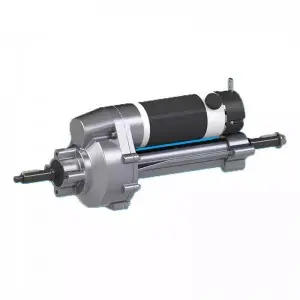
Understanding the Electric Transaxle
An electric transaxle is an integrated drivetrain module that combines the electric motor, reduction gearing, axle, and wheel interface into a single compact assembly. Unlike traditional powertrain architectures that separate these elements, the integrated approach reduces mechanical complexity, minimizes energy losses, and improves overall system efficiency.
For high-torque applications, this integration is particularly valuable. The transaxle’s gearing converts the motor’s high-speed rotation into the low-speed, high-torque output required to move heavy loads, climb gradients, and perform demanding work cycles. Modern electric transaxles can deliver torque outputs ranging from several hundred newton-meters for light commercial vehicles to over 50,000 Nm for heavy-duty trucks.
The technology has matured significantly in recent years. Where electrified powertrains were once limited to light-duty applications like golf carts and mobility scooters, they now power heavy equipment that operates in some of the most demanding conditions imaginable. This scalability is driving adoption across a widening range of industries.
Key Applications Requiring High Torque
High-torque electric transaxles serve diverse markets, each with unique performance requirements. Understanding these applications helps buyers match the right solution to their specific needs.
Material Handling Equipment
Forklifts, automated guided vehicles (AGVs), pallet jacks, and tow tractors all rely on high torque to move heavy loads in warehouses, distribution centers, and manufacturing facilities. AGVs and robotic material handling equipment require precise torque control for accurate positioning and smooth acceleration. Transaxles designed for these applications typically offer load-carrying capacities exceeding 900 kg, with some systems supporting payloads over 1,500 kg.
The integration of motor, controller, and gearbox into a single unit eliminates complex mechanical linkages, reducing maintenance requirements and increasing reliability. For fleet operators, this translates to less downtime and lower total cost of ownership.
Electric Tugs and Industrial Transport
Electric tugs used in ports, airports, and industrial complexes demand high torque at low speeds to move heavy trailers and containers. A typical electric tug transaxle might deliver 1000W of output power with gear ratios of 25:1 or 40:1, enabling the vehicle to handle heavy loads while maintaining precise control. The shift toward electric tugs in ports and coastal areas also contributes to emissions reduction, aligning with global environmental regulations.
Agricultural and Off-Highway Equipment
The agricultural, construction, forestry, and mining industries require high torque drives to provide the tractive forces needed for traveling over off-road terrain and powering heavy-duty work implements. Electric transaxles in this segment must withstand continuous operation under high mechanical stress, repeated load cycles, and demanding environmental conditions.
Off-highway vehicles also require robust power delivery and precise control, particularly in remote locations where charging infrastructure may be limited. The ability to deliver instant torque—a key advantage of electric powertrains—improves handling and productivity in these challenging environments.
Commercial and Light-Duty Electric Vehicles
Electric delivery vans, urban utility vehicles, and light trucks (up to 3.5 tons) benefit from compact, integrated transaxle systems that replace traditional powertrains. These applications prioritize efficiency alongside torque, with modern systems achieving energy efficiencies of 94% or higher. Lightweight aluminum housings further reduce vehicle weight, improving range without sacrificing structural integrity.
Cleaning Equipment and Floor Care
Floor scrubbers, sweepers, and other cleaning machines operate in indoor and outdoor environments where quiet operation and precise maneuverability are essential. Electric transaxles for these applications must deliver consistent torque while maintaining compact form factors.
Critical Technical Considerations for Buyers
When evaluating electric transaxles for high-torque applications, several technical factors warrant close attention.
Torque and Power Ratings
Torque output is the most fundamental specification for high-torque applications. Buyers should consider both continuous torque (sustained operation) and peak torque (short-duration demands). Power ratings typically range from a few hundred watts for light-duty applications to over 20 kW for heavy industrial equipment. For heavy-duty trucks, continuous power can exceed 380 kW with peak output torque reaching 54,800 Nm.
It is important to match torque characteristics to the specific duty cycle of the application. A transaxle that performs well in continuous low-speed operation may not be suitable for applications requiring frequent acceleration and deceleration.
Motor Technology
Electric transaxles are available with various motor types, including DC, AC induction, and permanent magnet AC (PMAC) motors. Each technology offers different trade-offs in terms of efficiency, cost, and control characteristics. PMAC motors generally provide higher efficiency and power density, making them well-suited for applications where battery life and range are critical.
Gear Ratio and Speed Range
The gear ratio determines the relationship between motor speed and wheel speed. Higher ratios deliver more torque at lower speeds, while lower ratios favor higher top speeds. Some advanced transaxles feature adaptive or multi-speed gearing that automatically adjusts ratios based on load conditions, optimizing performance across varying operating conditions.
Integration and Packaging
One of the primary advantages of modern electric transaxles is their integrated design. By combining motor, gearbox, and axle in a single housing, these systems reduce the number of components, simplify installation, and free up under-chassis space. For vehicle manufacturers and fleet operators, this space can be used for larger batteries (extending range by 25–40%) or increased payload capacity.
Buyers should consider mounting configurations, housing materials, and overall dimensions to ensure compatibility with their vehicle platforms.
Environmental Durability
High-torque applications often operate in challenging environments—outdoors, in dusty warehouses, or in wet conditions. Sealing and ingress protection (IP) ratings are critical considerations. Many industrial transaxles offer IP65 or higher ratings, protecting against dust and water ingress. For off-highway applications, even more robust sealing may be required.
Control and Feedback Systems
Precise torque and speed control is essential for applications like AGVs, autonomous platforms, and electrically driven industrial machinery. Optional encoders, feedback devices, and integrated braking solutions enable this level of control. Buyers should verify that the transaxle’s control interface is compatible with their existing vehicle control systems.
Market Trends and Strategic Considerations
The electric transaxle market is experiencing significant growth, driven by rising demand for electric vehicles and the need for efficient powertrain technologies. The global electric transaxle unit market is expected to grow at a compound annual growth rate of approximately 11.7% through 2035. The broader electric vehicle transmission market, valued at approximately $12.78 billion in 2025, is projected to reach $28.56 billion by 2032.
Several factors are accelerating this growth:
Emissions regulations are a primary driver. Stricter emissions standards, including the European Union’s 2035 ban on internal combustion engine vehicles, are pushing manufacturers to transition to electric powertrains. This regulatory pressure is creating sustained demand for electric transaxle components.
Total cost of ownership is another key consideration. While electric transaxles may have higher upfront costs compared to traditional components, they offer lower operating costs through reduced energy consumption, less maintenance, and longer service life. For fleet operators, these savings can be substantial over the lifecycle of the equipment.
Technological advancement continues to improve performance. Innovations in motor design, power electronics, and control systems are enabling higher torque densities, better efficiency, and more compact packaging. Silicon carbide inverters, for example, are becoming increasingly common in high-performance electric axles, offering improved efficiency compared to traditional silicon-based systems.
For procurement professionals, these trends suggest that the market will continue to evolve rapidly. Partnering with suppliers that offer application-specific customization, robust quality assurance, and responsive technical support can help mitigate the risks associated with this fast-changing landscape.
Selecting the Right Supplier
For organizations sourcing electric transaxles for high-torque applications, supplier selection is as important as product selection. Key considerations include:
Customization capability is essential for many applications. Different vehicles require different voltage standards, torque-speed characteristics, mounting geometries, and braking configurations. Suppliers that offer OEM and custom engineering services can tailor solutions to specific requirements.
Quality and certification provide assurance of product reliability. ISO 9001 quality management certification and industry-specific certifications like IATF 16949 for automotive applications indicate a supplier’s commitment to quality control. Third-party testing and validation further demonstrate product durability.
Supply chain reliability matters for bulk procurement. Suppliers with established production capacity, regional warehousing, and efficient logistics can meet delivery deadlines consistently. For global purchasers, partners with a multinational footprint can reduce shipping costs and lead times.
Technical support and warranty protect the buyer’s investment. Comprehensive warranties, responsive technical assistance, and readily available spare parts reduce the risk of extended downtime.
Conclusion
The electric transaxle has become a cornerstone technology for industrial electrification. For high-torque applications ranging from material handling equipment and electric tugs to off-highway vehicles and commercial EVs, these integrated drivetrain solutions offer compelling advantages in efficiency, reliability, and performance.
As the market continues to grow and technology advances, buyers who understand the technical specifications, application requirements, and supplier selection criteria outlined in this guide will be better positioned to make informed procurement decisions. The shift to electric powertrains is not just an environmental imperative—it is a strategic opportunity to improve operational efficiency and reduce long-term costs.
For procurement professionals and engineering teams evaluating electric transaxle solutions, the key is to look beyond basic specifications and consider the total system performance, durability in real-world conditions, and the supplier’s ability to support your specific application requirements over the long term.
Post time: Jun-22-2026