

Electric Transaxle for Golf Carts: Complete Buyer’s Guide to Performance, Types & Selection
Table of Contents
- What Is an Electric Golf Cart Transaxle, and Why It Matters
- Core Types of Electric Transaxles for Golf Cart Applications
- Key Performance Specs Every Sourcing Buyer Must Evaluate
- Transaxle Matching Guide by Golf Cart Use Scenarios
- Critical Build Quality Checks to Avoid Long-Term Failures
- Common Sourcing & Installation Mistakes to Skip
- Maintenance & Lifespan Optimization Tips
- Frequently Asked Questions for Bulk Purchasers
- Final Sourcing Checklist for Transaxle Procurement
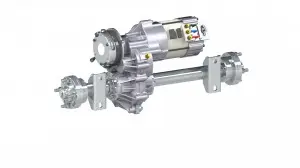
1. What Is an Electric Golf Cart Transaxle, and Why It Matters
Core Functional Advantages Over Separated Drivetrains
- Fewer mechanical connection points, lowering leakage and alignment failure risks
- Compact unified housing cuts overall vehicle assembly labor time
- Optimized thermal dissipation design reduces motor overheating during continuous operation
- Integrated differential delivers balanced wheel traction on grass, gravel, and sloped terrain
- Simplified reverse functionality via electric motor rotation, removing complex reverse gear assemblies
2. Core Types of Electric Transaxles for Golf Cart Applications
2.1 DC Brush Transaxles
- Pros: Low unit cost, simple controller compatibility, minimal technical barriers for assembly teams, widely available replacement parts globally
- Cons: Lower energy efficiency (75–80% peak efficiency), higher operational noise, shorter brush service life (500–800 operating hours)
- Ideal buyers: Discount aftermarket parts distributors, low-cost utility cart OEMs, short-term rental fleet operators
2.2 Brushless DC (BLDC) Transaxles
- Pros: Up to 92% energy efficiency extending single-charge range, maintenance-free motor structure, low operating noise (≤62dB), IP65 waterproof sealing for outdoor all-weather use, support regenerative braking to reduce battery drainAliExpress
- Cons: Slightly higher upfront component cost, requires matched BLDC controller during vehicle assembly
- Ideal buyers: Premium golf cart manufacturers, resort & property fleet operators, electric vehicle conversion specialists
2.3 Open Differential Transaxles
- Pros: Low production cost, smooth straight-line driving, simple internal gear structure for easy servicing
- Cons: Poor traction on wet grass, sand, or uneven slopes; single-wheel slip cuts hill-climbing capacity
- Avoid for: Hilly golf courses, off-road utility carts, towing-capacity shuttle vehicles
2.4 Limited Slip Differential (LSD) Transaxles
- Pros: Automatically distributes torque to both drive wheels during slip, eliminates stuck wheel scenarios, stable handling on wet or rough surfaces
- Cons: Higher manufacturing cost, slightly increased internal resistance during straight driving
- Ideal buyers: Luxury golf cart OEMs, mountain resort fleets, commercial grounds maintenance vehicles
3. Key Performance Specs Every Sourcing Buyer Must Evaluate
- Voltage Compatibility
Standard options cover 24V, 48V, 60V, 72V. 48V and 72V BLDC transaxles are the industry mainstream for full-size golf carts; 24V models apply to compact single-seat mini carts. Always confirm voltage matching with your battery pack and motor controller to avoid power mismatch damage.
- Gear Reduction Ratio
- 10.5:1 – High-speed cruising, flat residential paths, lightweight passenger loads
- 12:1 – Balanced speed & torque, standard golf course two-passenger carts (most common OEM spec)
- 14:1 / 16:1 – Max hill-climbing torque, heavy towing, hilly terrain, lifted carts with oversized tires
- Peak Motor Power & Output Torque
1000W–2000W: Standard passenger golf carts; 3000W–5000W: Heavy-duty utility, multi-passenger shuttle carts. Target peak torque above 300Nm for consistent slope climbing performance.
- Sealing & Environmental Rating
Prioritize IP65-rated sealed housings to resist rain, course washdowns, dew, and grass debris intrusion. Low-grade unrated units suffer rapid bearing corrosion in humid coastal or rainy climate deployments.
- Gear Material Treatment
Heat-treated alloy steel gears are non-negotiable for mass production. Cast iron housings offer maximum load durability; lightweight aluminum housings reduce overall cart curb weight for extended range. Avoid untreated soft steel gears that wear rapidly under daily continuous use.
- Brake Compatibility
Confirm axle flange design matches your cart’s drum or disc brake assemblies. Mismatched mounting patterns create costly post-delivery rework for assembly lines.
4. Transaxle Matching Guide by Golf Cart Use Scenarios
Scenario 1: Standard Flat Golf Course 2-Passenger Carts
- Recommended unit: 48V 2000W BLDC, 12:1 open differential transaxle
- Core priorities: Quiet operation, balanced speed & range, low routine maintenance
Scenario 2: Hilly Resort / Mountain Course Golf Carts
- Recommended unit: 72V 3000W BLDC, 14:1 LSD transaxle
- Core priorities: Sustained hill torque, anti-slip traction, heavy load capacity
Scenario 3: Residential Community Low-Speed Shuttle Carts
- Recommended unit: 48V 1500W DC brush open differential transaxle
- Core priorities: Cost control, simple spare parts supply, low assembly complexity
Scenario 4: Commercial Heavy-Duty Utility Towing Carts
- Recommended unit: 72V 4000–5000W BLDC, 16:1 LSD reinforced cast iron transaxle
- Core priorities: High peak torque, reinforced gear set, long continuous runtime durability
Scenario 5: Gas-to-Electric Golf Cart Retrofit Conversions
- Recommended unit: Custom width adjustable BLDC transaxle with universal mounting brackets
- Core priorities: Chassis compatibility, minimal frame modification, direct brake system integration
5. Critical Build Quality Checks to Avoid Long-Term Failures
- Housing Seal Integrity Test
Submerge sample units for IP rating verification; check gasket uniformity at all motor and axle joint seams. Uneven gaskets lead to oil leakage and gear rust within 3–6 months of outdoor use.
- Gear Noise & Vibration Testing
Run transaxles under full load for 2 continuous hours. Excessive high-frequency hum or chassis vibration indicates imprecise gear machining, which accelerates premature tooth wear.
- Axle Shaft Spline Precision
Loose spline fit between axle and wheel hub causes wobble during driving and rapid spline stripping. Verify tight tolerance matching with standard wheel hub specifications.
- Thermal Stability Under Sustained Load
Monitor housing temperature during hill-climbing simulation. Units exceeding 85°C surface temperature risk motor winding degradation and lubricant breakdown.
- Lubricant Filling & Drain Port Design
Opt for transaxles with easy-access drain ports for routine oil changes; avoid sealed non-serviceable housings that force full unit replacement when lubricant fails.
6. Common Sourcing & Installation Mistakes to Skip
- Selecting a mismatched gear ratio for terrain demands
Equipping hilly-region carts with 10.5:1 high-speed transaxles creates constant motor overloading, shortening battery and drivetrain lifespan drastically.
- Ignoring controller-motor compatibility for BLDC transaxles
Pairing brushless transaxles with generic DC brush controllers eliminates regenerative braking and cuts power output by over 30%.
- Overlooking chassis track width dimensional matching
Non-standard axle track widths require custom frame cutting during assembly, raising production labor costs and delaying manufacturing timelines. Request suppliers to offer customizable axle length options for multi-model production lines.
- Prioritizing low unit cost over heat-treated gear components
Cheap untreated steel gears show visible wear after 200–300 hours of daily operation, generating mass warranty claims for OEM brands.
- Neglecting cold climate lubricant specifications
Standard gear oil thickens in low-temperature regions, creating startup resistance and torque loss. Confirm suppliers offer low-viscosity cold-climate lubricant variants for northern market deployments.
7. Maintenance & Lifespan Optimization Tips
- Routine lubricant replacement every 2,000 operating hours for BLDC units; every 800 hours for DC brush transaxles
- Monthly visual inspection of shaft seals for oil leakage, especially for carts operating in coastal high-humidity environments
- Avoid sustained maximum load hill climbing for more than 10 consecutive minutes to prevent thermal overheating
- Immediately address abnormal noise or wheel slip symptoms to stop irreversible gear damage
- Store spare transaxles in dry indoor warehouses with protective shaft caps to prevent spline rust before installation
8. Frequently Asked Questions for Bulk Purchasers
Q1: Can a single transaxle model fit multiple golf cart chassis brands?
Q2: What warranty terms should I negotiate with transaxle suppliers for bulk orders?
Q3: Is upgrading from DC brush to BLDC transaxles cost-effective for existing cart product lines?
Q4: How much customization can suppliers provide for private-label OEM orders?
9. Final Sourcing Checklist for Transaxle Procurement
- Voltage and power rating matched to vehicle battery & controller design
- Gear reduction ratio aligned with target market terrain and payload requirements
- Differential type (open / LSD) selected based on traction performance demands
- IP waterproof rating meets end-user climate operating conditions
- Heat-treated alloy steel gear construction confirmed in material certifications
- Axle track width and brake flange mounting compatible with existing chassis
- Sample load testing thermal and noise performance records on file
- Clear warranty coverage, spare parts lead time, and after-sales technical support terms
- Customization MOQ, production lead time, and packaging standards finalized
Conclusion
Post time: Jul-20-2026