

Electric Transaxle Cost for Mobility Scooters: A Complete Buyer’s Guide
Introduction
Mobility scooters have become an essential daily mobility solution for elderly users and people with limited physical ability, offering safe, quiet, and convenient short-distance travel. At the core of every reliable mobility scooter lies the electric transaxle—an integrated unit that combines a DC motor, gear reducer, and drive axle to deliver stable power output and smooth driving performance.
For bulk buyers, scooter manufacturers, and parts distributors, understanding electric transaxle pricing, cost-influencing factors, and budget-friendly selection strategies is critical to controlling procurement costs, optimizing product configuration, and improving market competitiveness. This guide breaks down the real cost range of mobility scooter electric transaxles, key price determinants, type-based cost differences, and practical buying tips tailored to industry procurement needs.
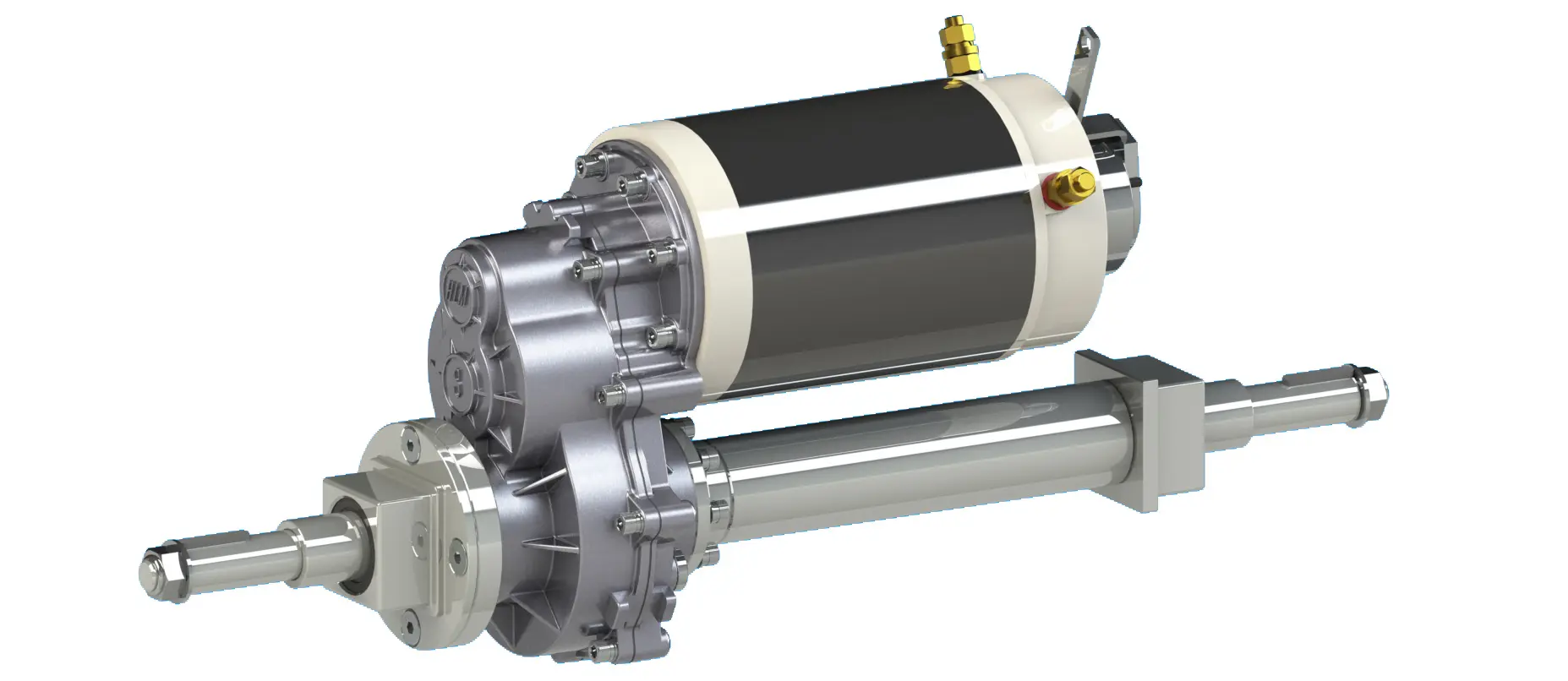
What Is an Electric Transaxle for Mobility Scooters?
An electric transaxle is an all-in-one drive component specially designed for low-speed mobility equipment. Unlike separate motors and transmission parts, it integrates the drive motor, reduction gear set, and axle structure into a compact module.
It is widely compatible with three-wheeled and four-wheeled mobility scooters, elderly travel scooters, and rehabilitation mobility devices. Its core advantages include high torque output, low noise operation, simple installation, and low maintenance requirements. As a key wearable and core power component, its quality and price directly determine the production cost and service life of the entire mobility scooter.
Average Electric Transaxle Cost Range for Mobility Scooters
The market price of mobility scooter electric transaxles varies significantly based on power, voltage, configuration, and quality grade. Below is the mainstream market cost range for reference by procurement buyers:
- Entry-level basic models (300W–500W, 24V DC): $45 – $85 per unit
- Mid-range standard models (800W–1000W, 24V/36V DC): $90 – $160 per unit
- High-power heavy-duty models (1500W–2200W, 24V/48V DC): $165 – $280 per unit
- Custom reinforced & low-speed silent models: $285 and above per unit
This price range covers mainstream standard products in the global spare parts market. Bulk wholesale orders usually enjoy tiered discounts, with larger order quantities bringing more favorable unit prices.
Key Factors That Affect Electric Transaxle Cost
1. Power and Voltage Specifications
Power rating is the most direct factor affecting cost. Low-power 300W–500W transaxles are suitable for lightweight foldable mobility scooters, with simple internal structure and lower material costs. High-power 1000W–2200W models need high-performance magnetic materials and reinforced gear structures to support heavy load and climbing performance, pushing up production and pricing costs.
Voltage options (24V, 36V, 48V) also cause price differences. 24V is the most mainstream and cost-effective option for daily mobility scooters, while 48V high-voltage models are used for heavy-load off-road mobility scooters with slightly higher overall costs.
2. Internal Material and Craftsmanship
The quality of gears, motor coils, and shell materials directly impacts durability and cost. High-end transaxles use alloy steel gears with wear resistance and impact resistance, pure copper motor coils, and thickened die-cast aluminum shells, which have longer service life but higher costs.
Economical models mostly use ordinary iron gears and aluminum-clad copper coils, cutting raw material costs but resulting in higher wear and shorter service life. Buyers need to balance upfront procurement cost and after-sales maintenance cost when selecting.
3. Functional Design and Additional Features
Transaxles with silent operation, anti-slip torque design, built-in brake system, and waterproof sealing structure are priced higher than basic versions. For commercial-grade mobility scooters used in rehabilitation centers and elderly care institutions, silent and waterproof models are preferred, though they come with a 15%–30% cost premium over standard versions.
4. Batch Order and Customization Requirements
Standard off-the-shelf transaxles have stable and transparent market prices. If buyers need customized parameters such as special speed ratio, installation size, and wiring interface, additional mold development and production adjustment fees will be added, increasing overall costs.
In addition, small-batch retail purchases have higher unit prices, while large-scale bulk orders can reduce comprehensive costs by optimizing production arrangements and logistics distribution.
Common Types of Mobility Scooter Electric Transaxles & Cost Differences
1. Low-Power Lightweight Transaxles (300W–500W)
Best suited for foldable portable mobility scooters and small three-wheeled elderly scooters. Features light weight, small size, easy installation, and low energy consumption. The cost is the lowest among all types, ideal for budget entry-level product configuration.
2. Mid-Power Standard Transaxles (800W–1000W)
The most widely used mainstream type, matching most four-wheeled daily mobility scooters. It balances power, noise, and load capacity, with moderate cost and stable market supply. It is the preferred choice for most scooter manufacturers and parts distributors.
3. High-Power Heavy-Duty Transaxles (1500W–2200W)
Designed for heavy-load, wide-body mobility scooters and climbing-capable rehabilitation scooters. It provides stronger torque, adapts to rough roads and slope driving, and adopts reinforced structural design. The cost is relatively high, suitable for high-end positioning mobility equipment.
Tips for Procuring Cost-Effective Electric Transaxles
- Match power reasonably: Avoid blindly choosing high-power models. Select 300W–500W for lightweight scooters and 800W–1000W for daily four-wheeled models to avoid unnecessary cost waste.
- Prioritize standardized models: Try to select universal standard size transaxles, which have sufficient market supply, short delivery cycles, and lower customization costs.
- Balance quality and budget: For long-term bulk procurement, mid-range pure copper coil and alloy gear models are more cost-effective than cheap low-quality ones, reducing after-sales replacement and maintenance costs.
- Negotiate tiered pricing for bulk orders: Communicate with suppliers about long-term cooperation and order quantity to obtain wholesale discounts and stable long-term pricing.
- Focus on after-sales support: Choose transaxle suppliers with complete quality assurance and after-sales service. Stable warranty policy can reduce hidden cost risks in later sales.
Final Thoughts
The cost of electric transaxles for mobility scooters is mainly affected by power specifications, materials, functions, and order scale, with the mainstream market price ranging from $45 to $280. For global procurement buyers and scooter manufacturers, the core of cost control is to select matched specifications according to product positioning, balance material quality and upfront budget, and leverage bulk order advantages to optimize comprehensive procurement costs.
Choosing a cost-effective and reliable electric transaxle not only reduces production costs but also improves the overall quality and user experience of mobility scooters, helping brands gain a stronger competitive edge in the global mobility equipment market.
Post time: Jun-03-2026