

Hidden Costs When Importing Electric Transaxles: What Buyers Must Know
Table of Contents
- Why Hidden Costs Matter for Electric Transaxle Importers
- Logistics & Shipping Hidden Costs
- Customs, Tariffs & Compliance Expenses
- Quality, Testing & Rejection Risks
- Installation, After-Sales & Maintenance Costs
- Currency, Payment & Contract Risks
- How to Calculate Total Cost of Ownership (TCO)
- Practical Tips to Reduce Hidden Import Costs
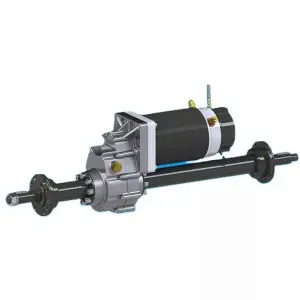
Why Hidden Costs Matter for Electric Transaxle Importers
- Expedited shipping due to stock shortages
- Re-testing and re-certification for non-compliant units
- Warranty claims and field repairs from early failures
- Storage fees and demurrage from port delays
Logistics & Shipping Hidden Costs
1. Special Transportation & Handling Fees
- Separate packaging for shock and moisture protection
- Special handling for electrical parts
- Restricted stacking to avoid damage
These requirements increase per-unit handling costs and reduce container efficiency, raising your total shipping expense.
2. Port Demurrage & Detention Charges
- Demurrage: fees for keeping containers at the port
- Detention: charges for holding containers beyond the free period
Even a 3–5 day delay can add hundreds to thousands in unexpected costs.
3. Fuel Surcharges & Seasonal Rate Fluctuations
4. Insurance Under-coverage Risks
- Damage from improper handling
- Electrical failure before commissioning
- Loss from non-standard packaging
Without extended coverage, you may bear full replacement costs for damaged goods.
Customs, Tariffs & Compliance Expenses
1. Tariff Classification Disputes
- General machinery parts
- Electric drive components
- Vehicle subassemblies
Different codes lead to different duty rates. A classification error can result in:
- Higher retroactive duties
- Customs fines
- Lengthy clearance delays
2. Certification & Testing Fees
- CE
- RoHS
- UL
- E‑Mark
- Local standard certifications
Costs include:
- Third‑party lab testing
- Certificate issuance
- Annual renewal
- Re‑testing if specifications change
Non‑certified units risk being detained or rejected at the border.
3. Import Border Inspection Fees
- Inspection fees
- Storage during inspection
- Handling for sample testing
These are rarely included in initial logistics estimates.
4. Documentation & Brokerage Costs
- Customs brokerage fees
- Document preparation
- Translation and legalization
- Entry filing
Cutting corners here often leads to more expensive delays.
Quality, Testing & Rejection Risks
1. Pre-shipment Inspection (PSI) Shortfalls
- Load performance
- Noise levels
- Temperature resistance
- Durability
- Waterproofing
Units passing basic checks often fail in real‑world use.
2. Incoming Quality Control (IQC) Costs
- Test each unit
- Check torque, efficiency, and noise
- Verify voltage, speed, and waterproof ratings
This adds labor, time, and equipment costs.
3. Rework, Repair & Replacement Expenses
- On-site repair
- Parts replacement
- Re-calibration
- Re-packaging
In severe cases, you must:
- Return goods
- Pay return freight
- Cover re‑production
- Face production downtime
4. Batch Rejection & Scrap Loss
- Product value
- Freight cost
- Duties and taxes paid
- Time and labor invested
Installation, After-Sales & Maintenance Costs
1. Installation & Commissioning Support
- Specialized labor
- Tooling
- Calibration time
Poor installation leads to early failure and higher warranty claims.
2. Spare Parts Availability & Lead Times
- Motors
- Encoders
- Controllers
- Gear sets
If spare parts are unavailable locally:
- Lead times stretch to weeks or months
- Equipment remains idle
- Revenue is lost
Emergency air freight for parts adds major cost.
3. Warranty & Field Service Liabilities
- Limited warranty
- No technical support
- No remote diagnostics
When units fail in the field, you pay for:
- Field service
- Labor
- Parts
- Customer compensation
4. Lifespan & Replacement Cycles
Currency, Payment & Contract Risks
1. Exchange Rate Fluctuations
2. Unfair Payment Terms
- High upfront deposits without guarantees
- No penalties for late delivery
- No compensation for defective goods
Weak terms shift all risk to the buyer.
3. Bank Charges & Transaction Fees
- Letter of credit (L/C) charges
- Telegraphic transfer (TT) fees
- Confirmation and advising charges
These often add 1%–3% to total payment value.
4. Contract Liability Gaps
- Delivery timelines
- Quality standards
- Warranty scope
- Liability for non-conforming goods
When problems arise, you have little protection.
How to Calculate Total Cost of Ownership (TCO)
TCO = Unit Price + Freight + Insurance + Duties & Taxes + Clearance & Handling + Storage + Installation + Maintenance + Spare Parts + Warranty Liability + Downtime Risk
- Compare suppliers objectively
- Avoid low-price, high-cost traps
- Build a reliable, sustainable supply chain
Practical Tips to Reduce Hidden Import Costs
-
Verify full specifications upfront
Confirm voltage, power, torque, speed, protection level, and mounting dimensions to prevent reworks.
-
Require complete certification documents
Obtain test reports, certificates, and compliance declarations before shipment.
-
Use strict pre-shipment inspection (PSI)
Include performance, durability, and safety checks—not just visual inspection.
-
Negotiate clear payment and delivery terms
Use balanced deposits, milestone payments, and penalties for delays or defects.
-
Confirm spare parts availability
Ensure motors, controllers, gears, and sensors are available locally or with short lead times.
-
Choose partners with reliable after-sales support
Prioritize suppliers offering technical support, warranty service, and troubleshooting assistance.
-
Calculate TCO for every supplier
Don’t choose based on unit price alone. Low upfront cost often leads to high long-term expense.
Conclusion
Post time: May-10-2026