

Cheap vs Premium Electric Transaxle: Which to Choose?
When selecting an electric transaxle for your equipment, you’ll quickly face a key question: is it worth paying more for a premium model, or will a budget option meet your needs? The choice impacts performance, reliability, operating costs, and total lifespan. This guide breaks down real-world differences to help you make a confident, cost-effective decision.
Table of Contents
- What Is an Electric Transaxle & Why It Matters
- Core Differences: Cheap vs Premium Electric Transaxles
- Performance & Efficiency Comparison
- Durability, Maintenance & Lifespan
- Ideal Use Cases for Budget & Premium Models
- Key Buying Factors for Buyers
- How to Choose the Right Option for Your Project
- Final Verdict
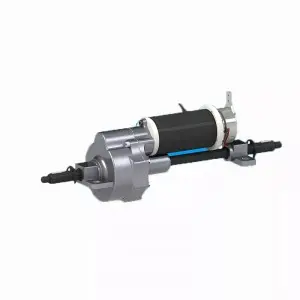
What Is an Electric Transaxle & Why It Matters
An electric transaxle integrates an electric motor, gearbox, differential, and drive axle into one compact unit. It powers a wide range of machines—including electric trolleys, sweepers, golf carts, low-speed vehicles, industrial movers, and small electric tractors.
As the heart of your electric powertrain, the transaxle directly affects:
- Power output and torque consistency
- Energy efficiency and battery runtime
- Noise, vibration, and operational stability
- Service life and long-term operating costs
- Safety and ease of use
A poorly matched transaxle leads to frequent breakdowns, higher energy use, and shortened equipment life. A well-chosen unit boosts productivity and lowers total cost of ownership (TCO).
Core Differences: Cheap vs Premium Electric Transaxles
The gap between budget and premium models lies in materials, engineering, precision, and quality control—not just brand name.
| Item | Budget Electric Transaxle | Premium Electric Transaxle |
|---|---|---|
| Motor & Components | Standard copper wire, generic bearings, basic housings | High-grade magnetic materials, precision bearings, reinforced structure |
| Gear Processing | Stamping, ordinary machining, average precision | Precision grinding, strict tolerance control, low backlash |
| Housing & Strength | Thin casing, standard protection | Thickened, rust-resistant, high-sealing design |
| Assembly & Testing | Simple assembly, basic inspection | Full-testing, calibration, aging and load testing |
| Sealing & Protection | Basic dust/water resistance | Enhanced sealing, suitable for damp/dusty environments |
| Noise & Vibration | Noticeable noise, unstable running | Low noise, smooth output, stable under load |
| Warranty & Support | Short warranty, limited service | Longer warranty, responsive technical support |
Performance & Efficiency Comparison
Budget Models
- Sufficient for light, short-time use
- Torce may drop under continuous load
- Relatively low energy efficiency
- Noticeable noise at high speed or load
- Basic speed control, limited stability
Premium Models
- Stable torque output even under full load
- Higher transmission efficiency, less energy loss
- Longer battery runtime per charge
- Smoother acceleration and deceleration
- Lower noise and vibration for operator comfort
- Better heat dissipation for continuous duty
Premium transaxles often improve energy efficiency by 10%–20% compared to budget alternatives, which significantly extends daily operating range for battery-powered equipment.
Durability, Maintenance & Lifespan
Budget Electric Transaxle
- Shorter service life, typically 1–3 years
- Higher risk of gear wear, oil leaks, or bearing failure
- Basic lubrication and sealing
- More frequent maintenance checks
- Higher long-term repair and downtime costs
Premium Electric Transaxle
- Designed for 5+ years of heavy-duty use
- Strong gears, high-quality bearings, and robust housings
- Enhanced sealing against dust, water, and debris
- Stable performance in harsh conditions
- Lower maintenance requirements and downtime
- Better overall return on investment
Premium units reduce unexpected failures and support consistent production schedules—critical for commercial and industrial users.
Ideal Use Cases for Budget & Premium Models
Choose a Budget Electric Transaxle If:
- Your equipment is for light, occasional use
- Low initial cost is the top priority
- Usage is short-duration and low-load
- You need basic movement without high precision
- Projects have limited budgets and low working hours
Suitable for: light trolleys, small cleaning machines, low-duty home equipment, short-time test devices.
Choose a Premium Electric Transaxle If:
- Your machine runs daily or for long shifts
- Consistent performance and reliability matter
- You need stable torque, efficiency, and low noise
- Operations include continuous load or harsh environments
- You want to minimize downtime and maintenance cost
Suitable for: commercial cleaning equipment, industrial movers, electric tractors, public facility vehicles, long-working-hour platforms.
Key Buying Factors for Buyers
To avoid wrong purchases, focus on these practical factors:
-
Load & Working Conditions
Match rated torque and power to your actual load, speed, and slope requirements. Under-sizing leads to early failure.
-
Efficiency & Energy Use
Higher efficiency lowers battery costs and extends runtime—especially important for outdoor and mobile equipment.
-
Environmental Compatibility
Damp, dusty, or outdoor sites need better sealing and corrosion resistance.
-
Noise & Comfort
Indoor or public-area equipment benefits from low-noise, low-vibration designs.
-
After-Sales & Warranty
Reliable support reduces downtime risk in commercial fleets.
-
Total Cost of Ownership
Consider upfront price plus maintenance, energy, repair, and replacement costs over years of use.
How to Choose the Right Option for Your Project
Use this simple decision framework:
- List your load, speed, working hours, and environment.
- Compare required torque and power with transaxle specifications.
- Estimate annual usage hours to evaluate lifespan value.
- Balance initial cost against long-term operating expenses.
- Select budget for light, short-use cases; choose premium for heavy, long-duty, commercial applications.
Many buyers first choose a low-cost unit to save money, then upgrade to premium after experiencing breakdowns and downtime. Evaluating TCO early avoids double spending.
Final Verdict
Budget electric transaxles work for light, non-critical, short-duration applications where upfront cost is critical.
Premium electric transaxles deliver better performance, efficiency, durability, and lower long-term cost—ideal for commercial, industrial, and heavy-use equipment.
The best choice depends on your real working conditions, expected life, and total cost goals. When reliability, efficiency, and continuity matter, premium models provide stronger value over time.
Post time: May-18-2026