

Bulk Buying Electric Transaxle: What You Should Know
Purchasing electric transaxles in bulk requires more than just comparing prices—it demands a clear understanding of your application needs, technical specifications, quality standards, supply stability, and long-term support. Whether you’re sourcing for electric vehicles, industrial equipment, utility carts, or mobile machinery, making informed decisions upfront helps you avoid costly downtime, inconsistent performance, and supply chain disruptions. This guide covers everything you need to know for successful bulk procurement of electric transaxles.
Table of Contents
- Why Bulk Purchasing Electric Transaxles Matters
- Key Technical Specifications to Evaluate Before Buying
- Matching Electric Transaxles to Your Application
- Quality, Certifications, and Reliability Standards
- Supply Chain, MOQs, Lead Times, and Inventory Stability
- Pricing, Total Cost of Ownership (TCO), and Negotiation Tips
- After-Sales Support, Warranty, and Maintenance Considerations
- Common Mistakes to Avoid in Bulk Orders
- Final Checklist for Confident Bulk Purchasing
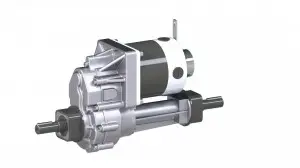
Why Bulk Purchasing Electric Transaxles Matters
For manufacturers, fleet operators, equipment builders, and distributors, bulk buying electric transaxles directly impacts production efficiency, product consistency, operational costs, and profit margins. Ordering in volume typically lowers unit costs, streamlines assembly lines, reduces repeated procurement workload, and ensures uniform performance across your product line or fleet.
Electric transaxles serve as integrated drive systems that combine motor, gearbox, and axle into one compact unit—making them mission-critical for mobility. Inconsistent or poorly matched components can lead to:
- Frequent breakdowns and increased maintenance costs
- Uneven performance across units
- Longer assembly or retrofitting times
- Negative impact on end-user satisfaction and brand reputation
A structured bulk-purchasing strategy balances cost, performance, reliability, and supply security to support sustainable business growth.
Key Technical Specifications to Evaluate Before Buying
Before requesting quotes or placing bulk orders, clarify these core specifications to ensure compatibility and performance.
1. Power & Voltage Ratings
- Power range: Typically from 300W up to 3000W+ for light to medium-duty applications
- Common voltage options: 24V, 36V, 48V
- Match voltage and power to your battery system and load requirements
2. Torque & Speed Output
- Torque determines hill-climbing and heavy-load capability
- No-load speed affects travel pace and operational efficiency
- Prioritize sufficient torque for inclined surfaces or frequent stopping/starting
3. Reduction Ratio & Gear Design
- Reduction ratio influences torque multiplication and top speed
- Choose between helical, spur, or planetary gears based on noise, efficiency, and durability needs
- Higher ratios deliver stronger torque; lower ratios allow higher speed
4. Load Capacity & Duty Cycle
- Continuous vs. intermittent duty rating
- Maximum axle load and vehicle gross weight support
- Overload tolerance for tough working conditions
5. Mounting Style & Dimensions
- Shaft diameter, length, and spline type
- Mounting hole pattern and overall dimensions
- Compatibility with your frame, chassis, or existing setup
6. Motor Type & Efficiency
- Brush DC motors: cost-effective, easy to control
- Brushless motors: longer life, higher efficiency, less maintenance
- Thermal performance and cooling suitability for prolonged use
Matching Electric Transaxles to Your Application
Different use cases demand distinct transaxle characteristics. Align your choice with real-world operating conditions.
| Application | Typical Power | Key Requirements |
|---|---|---|
| Electric trolleys & warehouse carts | 300W–800W | Compact, quiet, economical |
| Electric sweepers & washers | 400W–1000W | Durable sealing, reliable under continuous use |
| Mobility scooters & three-wheelers | 500W–1500W | Smooth power, stable low-speed control |
| Electric tractors & small utility vehicles | 1000W–2200W | High torque, strong load capacity |
| Industrial handling & automated guided vehicles | 1500W–3000W | High efficiency, consistent performance |
Always consider:
- Terrain (flat, sloped, uneven)
- Operating environment (wet, dusty, hot, cold)
- Daily operating hours
- Expected service life
Quality, Certifications, and Reliability Standards
In bulk orders, consistent quality is non-negotiable. Look for these markers of reliability:
- Material quality: Robust casing, heat-resistant windings, durable gears
- Production consistency: Tight tolerances and standardized assembly
- Testing protocols: Performance, aging, waterproof, and load testing
- Certifications: CE, ISO 9001, and relevant safety approvals
- Lifespan rating: Expected operating hours under normal conditions
Reliable manufacturers conduct strict quality control at every stage, reducing failure rates and warranty claims in your fleet or production line.
Supply Chain, MOQs, Lead Times, and Inventory Stability
Bulk purchasing lives or dies by supply chain reliability. Focus on these factors:
Minimum Order Quantity (MOQ)
- Understand supplier MOQs and whether they fit your projected needs
- Negotiate flexible MOQs for trial batches or mixed-model orders
Lead Time
- Confirm production lead times for bulk orders
- Account for shipping, customs, and delivery windows
- Plan ahead to avoid stockouts and production halts
Supply Stability
- Choose suppliers with stable raw material sourcing
- Verify capacity to handle repeat orders and peak demand
- Discuss buffer inventory or blanket order arrangements
Packaging & Shipping
- Secure packaging to prevent transit damage
- Compatible packaging for efficient warehousing
- Clear labeling for easy inventory management
Pricing, Total Cost of Ownership (TCO), and Negotiation Tips
The lowest upfront price does not guarantee the best value. Focus on Total Cost of Ownership.
Components of TCO
- Unit purchase price
- Installation and integration cost
- Energy consumption and efficiency
- Maintenance, repair, and replacement cost
- Downtime cost during failures
Negotiation Strategies
- Request volume-based tiered pricing
- Ask for extended payment terms for large orders
- Combine multiple models to improve overall terms
- Compare quotes from 2–3 qualified suppliers
Avoid choosing suppliers solely based on price—low-cost units often lead to higher long-term expenses.
After-Sales Support, Warranty, and Maintenance Considerations
Strong after-sales support protects your bulk investment.
Warranty Terms
- Clear warranty period and coverage scope
- Conditions for replacement or repair
- Process for handling defective units
Technical Support
- Installation guidance and documentation
- Troubleshooting assistance
- Access to repair parts and service
Maintenance Design
- Easy access to consumable parts
- Simple lubrication and inspection procedures
- Low maintenance requirements to reduce labor cost
Responsive support minimizes downtime and keeps your operations running smoothly.
Common Mistakes to Avoid in Bulk Orders
Steer clear of these frequent pitfalls:
- Under-specifying: Choosing insufficient power or torque for real loads
- Ignoring compatibility: Failing to verify mounting, voltage, or control interfaces
- Overlooking environment: Not accounting for water, dust, or temperature exposure
- Skipping samples: Ordering bulk without testing prototype performance
- Unclear warranty: Accepting vague after-sales terms
- Poor supply planning: Underestimating lead times or order size
- Focusing only on price: Sacrificing quality and reliability for low cost
Final Checklist for Confident Bulk Purchasing
Use this checklist before finalizing your bulk order:
- Define application, load, speed, and environment clearly
- Confirm voltage, power, torque, ratio, and mounting specs
- Test samples or request performance reports
- Verify certifications and quality control processes
- Understand MOQ, lead time, and shipping terms
- Calculate total cost of ownership (not just unit price)
- Review warranty, return policy, and after-sales support
- Secure flexible terms for future reorders
- Confirm consistent batch quality and production capacity
Conclusion
Bulk buying electric transaxles is a strategic decision that shapes your product quality, operational efficiency, and bottom line. By focusing on technical suitability, consistent quality, reliable supply, fair pricing, and strong support, you can secure high-performance transaxles that deliver long-term value.
Whether you’re building electric vehicles, industrial equipment, or mobile machinery, the right bulk-purchasing approach turns component sourcing into a competitive advantage. Take time to evaluate, te
Post time: Apr-29-2026