

Electric Transaxle Price Trends in Global Market
The global electric transaxle market is undergoing rapid structural shifts driven by electrification across industrial, mobility, and automotive sectors. For buyers, importers, and OEMs, understanding price movements and underlying drivers is critical to budgeting, sourcing, and long-term procurement planning. This blog breaks down current price trends, key influencing factors, regional differences, and forward-looking insights to support data-driven decisions.
Table of Contents
- Current State of the Global Electric Transaxle Market
- Key Factors Shaping Electric Transaxle Pricing
- Regional Price Variations and Market Dynamics
- Price Trends by Power Rating and Application
- Technology and Integration Effects on Unit Cost
- Supply Chain and Raw Material Impacts
- Future Price Outlook and Strategic Buying Tips
- Conclusion
Current State of the Global Electric Transaxle Market
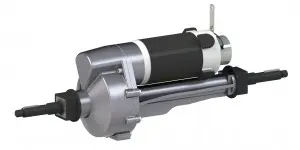
Global demand for electric transaxles has expanded consistently across electric vehicles, industrial trucks, AGVs, utility vehicles, cleaning equipment, and mobility devices. Market growth is supported by stricter emissions rules, rising factory automation, and the shift toward battery-powered equipment in logistics and manufacturing吉林省人民政府.
In recent years, average prices have trended downward in volume segments while premium, high-power, and integrated units remain stable. Mass production, improved supply chains, and component standardization have lowered entry-level costs, while performance-focused models hold value due to engineering and durability requirements.
Key Factors Shaping Electric Transaxle Pricing
Multiple variables determine the final price of an electric transaxle. Buyers should evaluate these elements when comparing quotations.
1. Raw Material Costs
- Copper, aluminum, steel, and magnetic materials directly affect motor and housing costs
- Fluctuations in non-ferrous metals influence short-term pricing stability
- Higher-grade alloys used in heavy-duty applications increase material expenses
2. Power Rating and Torque Specification
- Low-power units (300W–800W): Used in light trolleys, cleaners, and mobility devices
- Mid-power units (1kW–2.2kW): Common in electric tractors, small utility vehicles
- High-power models: Designed for industrial machinery and electric trucks, with premium pricing
3. Integration Level and Components
- Basic transaxle with motor only: Lower cost
- Motor + controller + gearbox integrated: Higher efficiency but higher price
- Waterproof, sealed, or high-temperature versions: Added engineering cost
4. Production Volume and Scale Efficiency
- Large-scale manufacturing reduces per-unit cost
- Customized or low-volume models carry premium pricing
- Mature product lines benefit from continuous cost optimization
5. Quality Certifications and Compliance
- CE, FCC, ISO, and regional safety certifications add value
- Compliance supports market access and reduces buyer risk
- Verified quality lowers total lifecycle cost for operators
Regional Price Variations and Market Dynamics
Price levels differ noticeably across regions due to demand structure, logistics, tax, and local competition.
North America
- Strong demand in industrial and commercial sectors
- Emphasis on durability and after-sales support
- Prices tend to be higher due to compliance and service expectations
Europe
- Strict environmental and safety standards
- Steady demand from material handling, urban mobility, and industrial automation
- Mid-to-high price range with focus on efficiency and reliability
Asia-Pacific
- Largest production and consumption volume
- Competitive pricing driven by scale and supply chain maturity
- Wide price range from entry-level to high-performance models
Rest of World
- Growing demand in agriculture, construction, and logistics
- Price sensitivity balanced with durability needs
- Increasing adoption of mid-power electric transaxles
Price Trends by Power Rating and Application
The following overview helps buyers match budget and performance expectations.
| Power Range | Typical Applications | Price Level | Ease of Sourcing |
|---|---|---|---|
| 300W–800W | Cleaning machines, trolleys, light movers | Low | High |
| 1kW–1.5kW | Electric tractors, small utility vehicles | Mid | High |
| 2kW–3kW | Industrial transporters, AGVs, heavy-duty equipment | Mid-High | Moderate |
| Custom & Integrated | Specialized machinery, high-load vehicles | High | Limited |
Technology and Integration Effects on Unit Cost
Modern engineering is reshaping cost structures for electric transaxles.
High Integration
Combining motor, controller, and gearbox reduces assembly cost and improves efficiency. While upfront price may be higher, total operating cost decreases due to lower energy use and maintenance.
Modular Design
Standardized platforms enable flexible configuration without excessive customization cost, supporting stable pricing for volume buyers.
Material Optimization
Lightweight yet strong housings and improved winding techniques enhance performance without major cost increases, supporting better price-performance ratios.
Supply Chain and Raw Material Impacts
Global supply chains continue to affect pricing stability.
- Stable logistics and component availability support predictable pricing
- Volatility in copper and magnetic materials can create short-term adjustments
- Vertical integration among manufacturers improves cost control and delivery reliability
- Long-term contracts help buyers lock in favorable pricing and secure supply
Future Price Outlook and Strategic Buying Tips
Based on current trends, the global electric transaxle market is expected to show:
- Moderate price reduction in volume segments through scaling and efficiency
- Stable pricing in high-performance and specialized sectors
- Improved price-performance as technology matures
Practical Buying Recommendations
- Prioritize suppliers with stable supply chains and consistent quality
- Consider total cost of ownership rather than only unit price
- Plan orders in advance to avoid peak-season shortages
- Prefer certified products to reduce compliance risk
- Evaluate integrated models for long-term operational savings
Conclusion
Global electric transaxle prices are moving toward greater stability and efficiency, supported by scale production, technological improvement, and mature supply chains. While short-term fluctuations may occur due to materials or logistics, the long-term direction favors accessible pricing for buyers across industries.
By understanding power categories, regional differences, and cost drivers, purchasers can make informed decisions that balance upfront investment with durable performance. As electrification expands worldwide, electric transaxles will remain a critical component—and strategic sourcing will continue to drive competitiveness.
Post time: May-13-2026